- Crossplay Scooby-Doo -
Vera Dinkley
Vera Dinkley (Velma in the original version) is one of the main characters in the Scooby-Doo franchise, created by Joe Ruby and Ken Spears. She first appeared in 1969 in Scooby-Doo, Where are you!
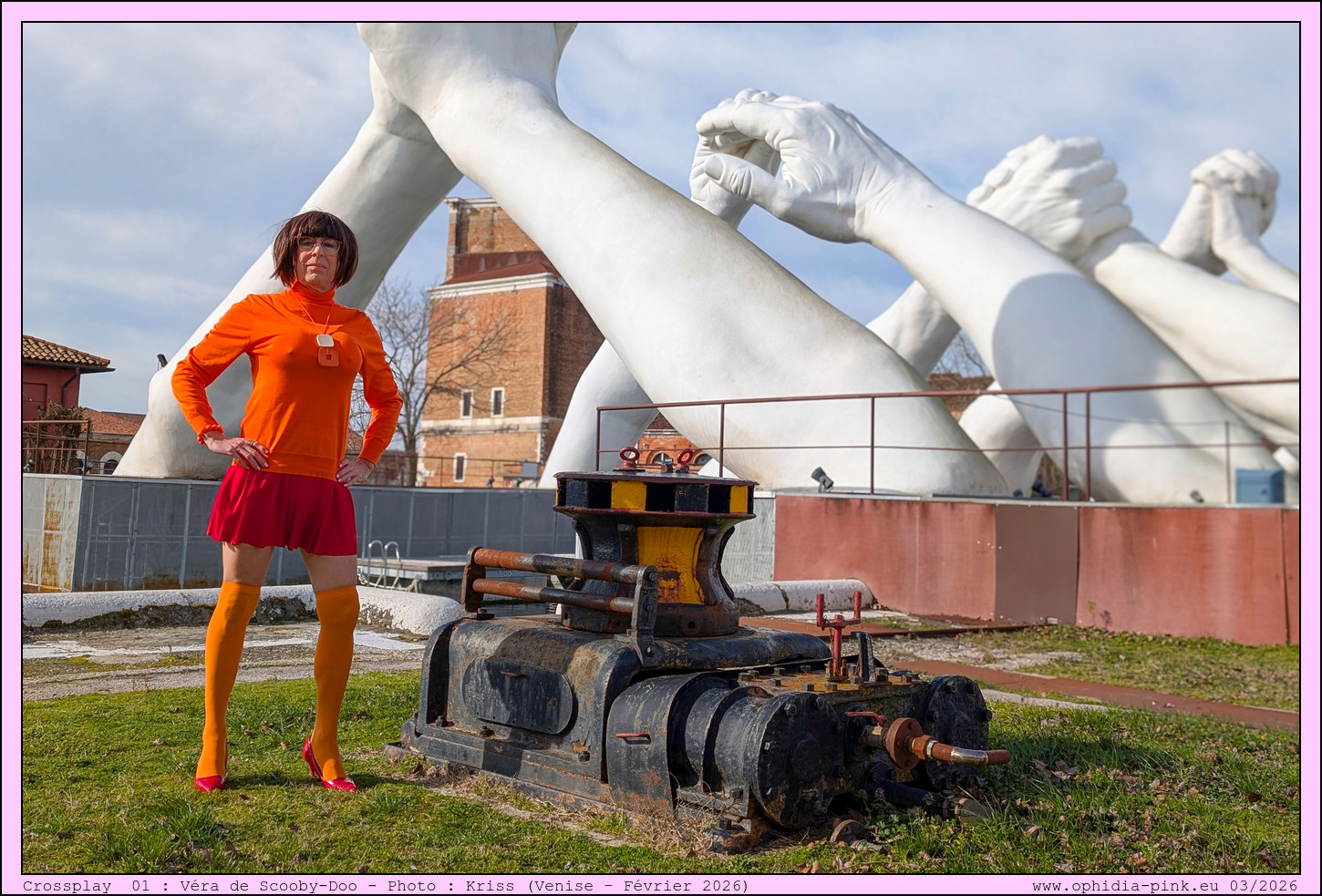
Vera is instantly recognizable with her brown bob (practical, not glamorous), her orange turtleneck sweater, her red skirt, and her orange knee-high socks. Her design is simple, yet iconic. Her glasses (which she's always losing—a recurring gag in the series) are very important. The famous "I can't see anything without my glasses" is almost too perfect: it's literally a visual metaphor meaning she needs an intellectual framework to "see" the world correctly (without glasses, she loses control; with them, she regains mastery, clarity, and rationality).
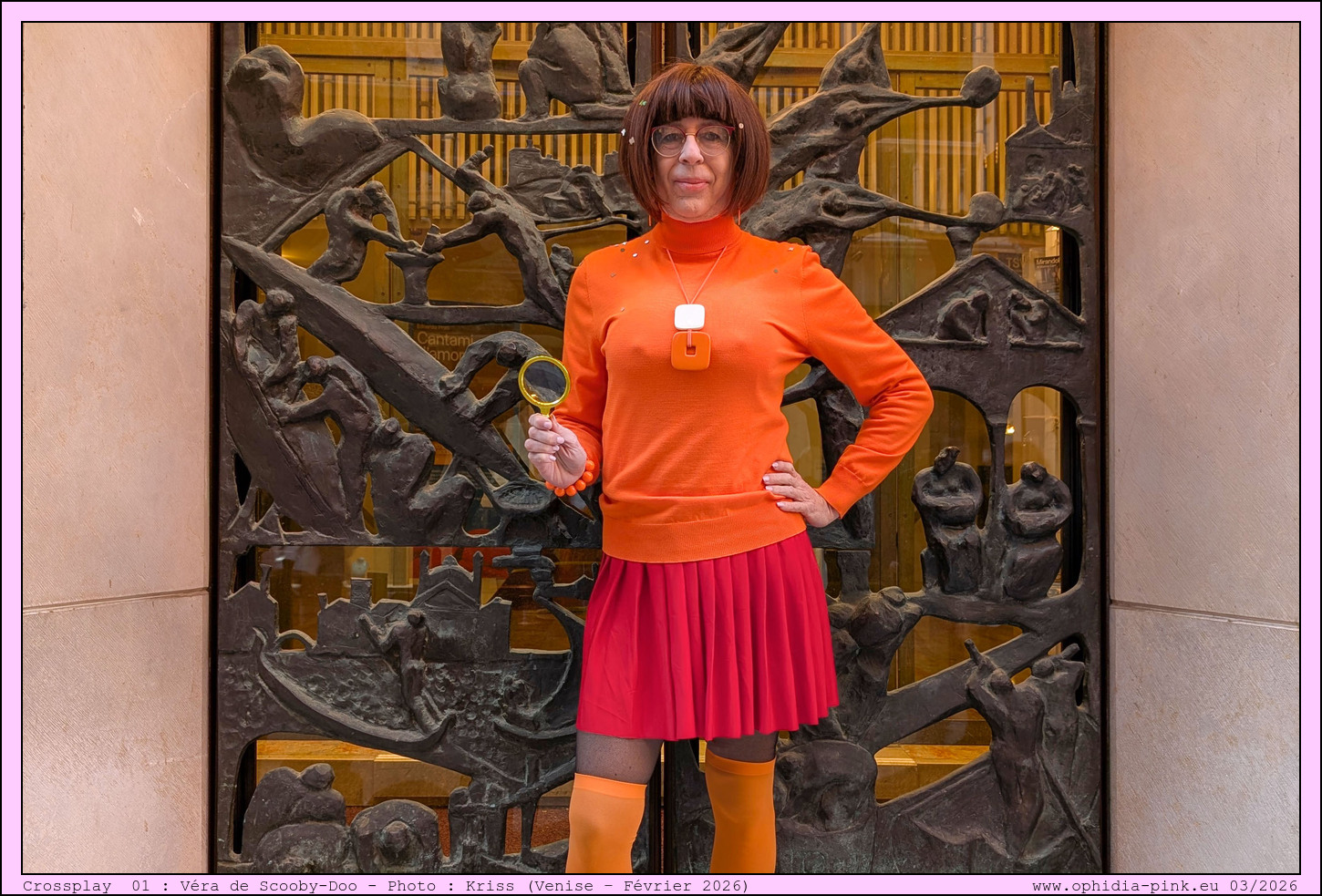
She's the brains of the Mystery Inc. group. Ultra-intelligent, logical, and rational, she's passionate about science, books, and analysis. Unimpressed by the "supernatural," she always thinks a ghost is just someone in disguise. She can be socially awkward at times, but where Shaggy Rogers and Scooby-Doo panic over a sandwich, she's unraveling a criminal conspiracy.
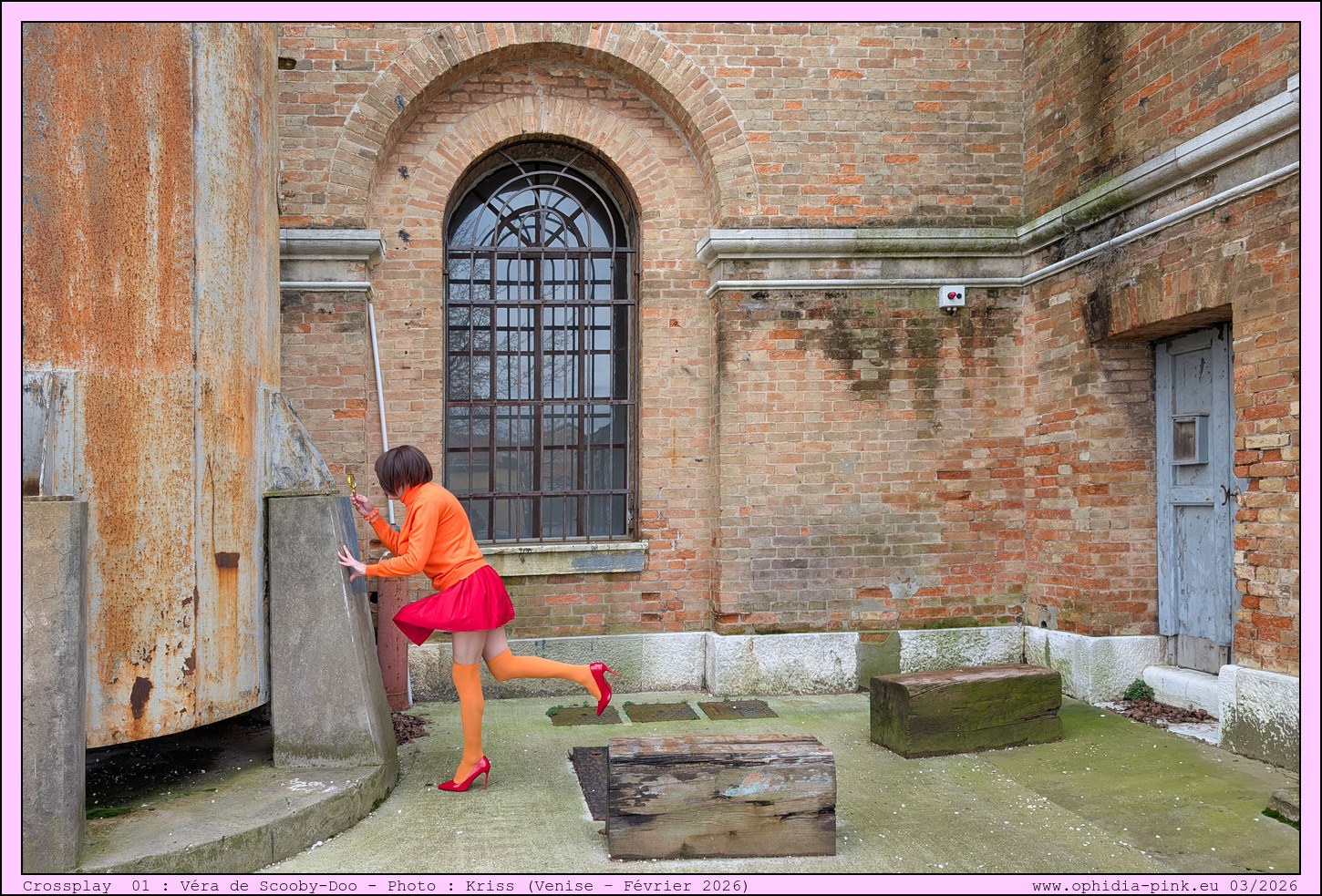
Over time and across different versions, Vera's character has evolved. She has become more confident and less of a caricature, with a more pronounced geeky side. Some modern adaptations explore her emotional life and relationships, and she has been portrayed as LGBT, which has sparked considerable discussion but remains consistent with certain interpretations of the character.
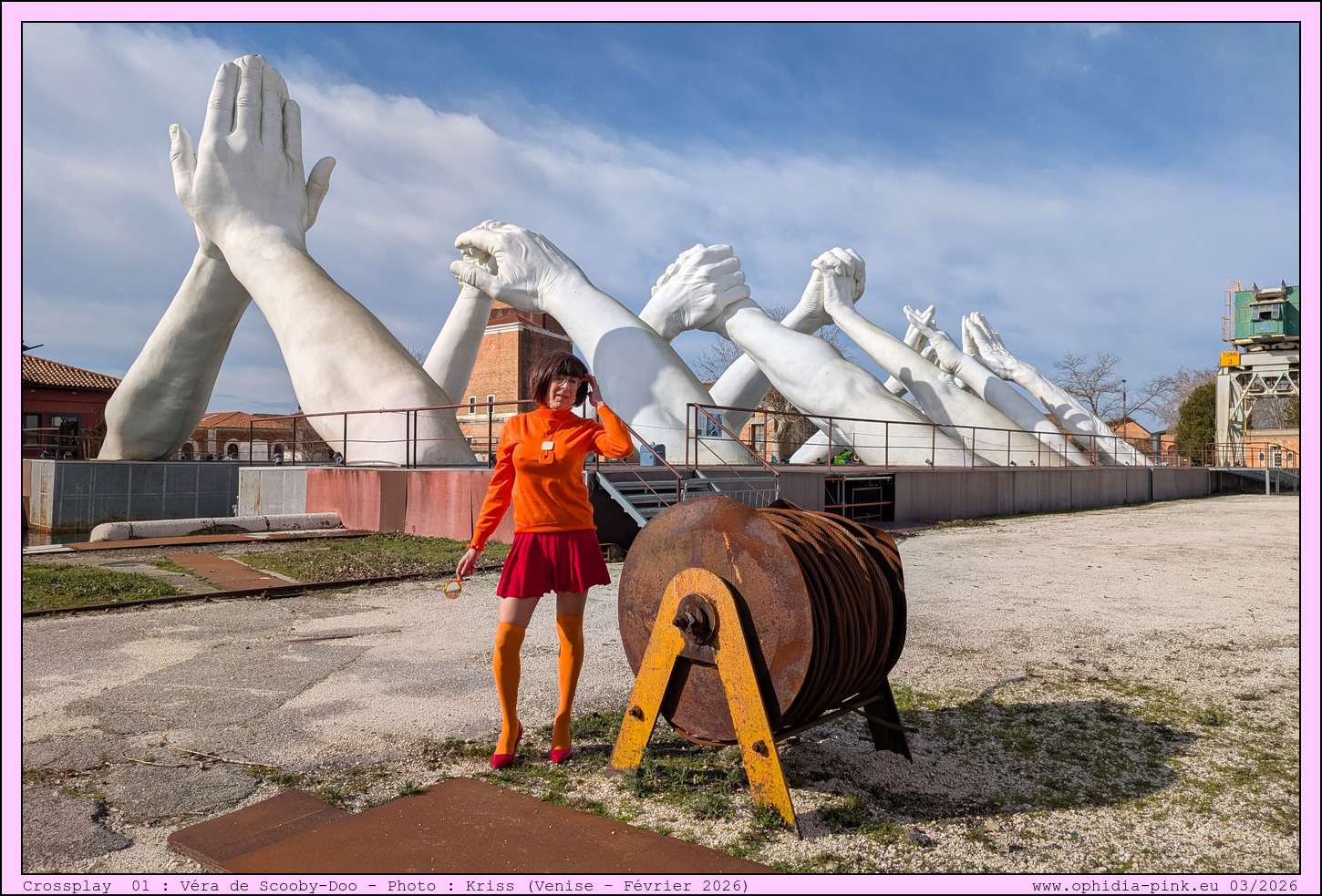
Vera represents a rather rare archetype: that of an intellectual, rational woman who is central to the action. It was very rare at the time for a female character to be non-sexualized, dependent on a man, and to intellectually dominate the group.
She is not defined by her appearance or a romantic role, but on the contrary, she symbolizes the triumph of logic over superstition. This is probably why she remains so popular. She isn't the flashiest, but she is clearly the most useful. Vera embodies a very clear profile: hyper-rationality as a control mechanism.
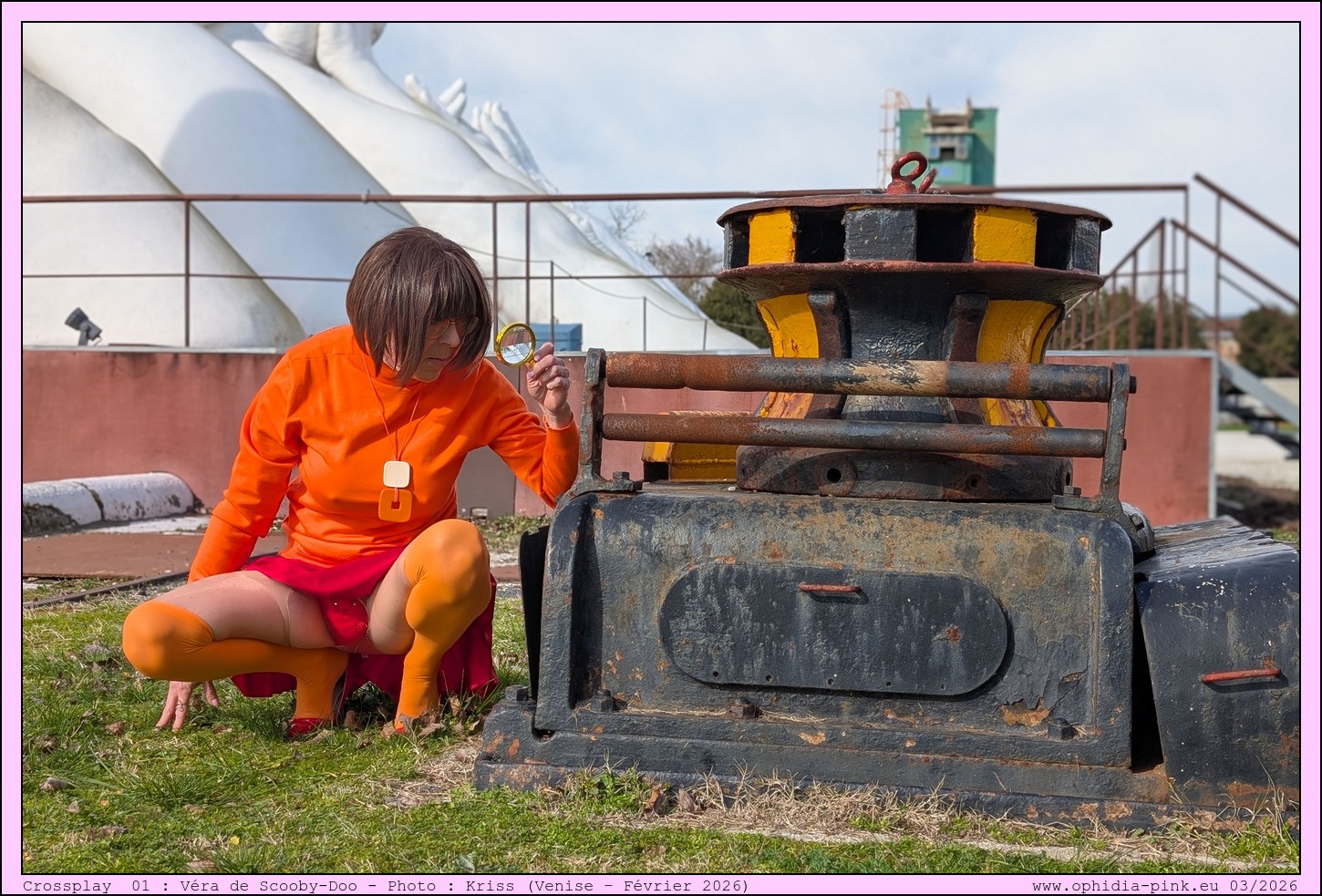
In conclusion, Vera isn't just "the group's geek." She's a pretty effective representation of the concept that fear often stems from what we don't understand, and that understanding requires thinking instead of panicking. Vera doesn't win because she's brave or strong; she wins because she thinks better than the others.
