- BRITISH STYLE -
Autumn / Winter
Let's start with a linguistic point: British doesn't mean English, that would be 'English'! British comes from Brittanic and therefore applies to the whole of the United Kingdom (England + Scotland + Wales + Northern Ireland).
The "British" style in fashion is that almost magical way the British have of looking elegant, eccentric, and nonchalant all at once, as if they'd thrown on whatever was lying around, except that everything fits perfectly. In concrete terms, it's based on a few well-established codes. There's a strong emphasis on tradition and quality, perfectly tailored suits, checked blazers, and Burberry trench coats. There's often an unlikely mix, like pairing a hunter's tweed with a floral shirt or Doc Martens with a tartan skirt. You can associate it with a "chic nonchalance": tousled hair, slightly messy hems, oversized sweaters. Nothing is too polished, otherwise it's no longer 'British'.
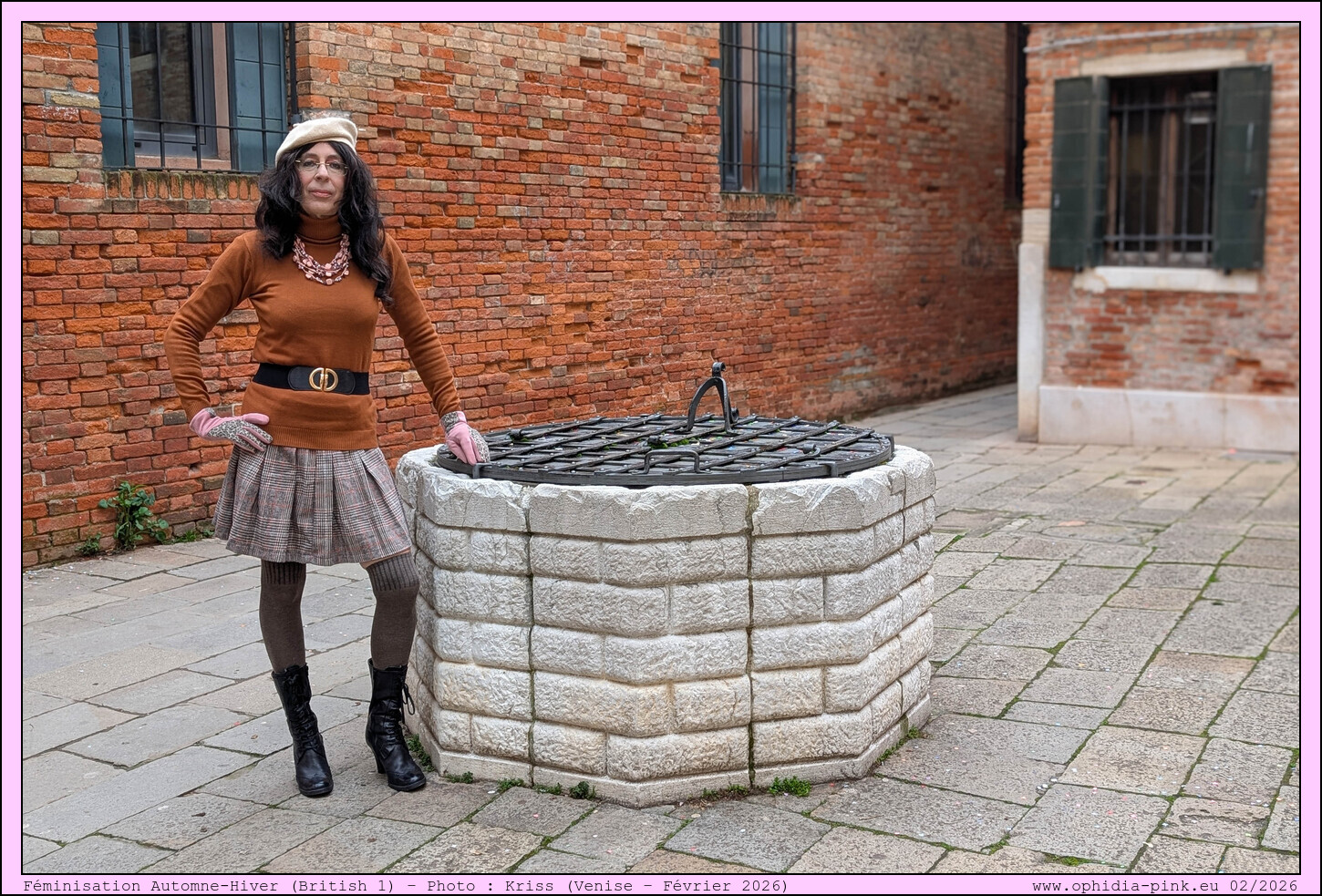
Let's talk about a typical element of British style: tweed. Tweed is a thick, robust, and textured woolen fabric, traditionally associated with the British Isles, especially Scotland and Ireland. Originally, it was a country fabric designed to withstand cold, damp, and scrubby conditions. In short, a garment made for people who had to survive outdoors, before fashion transformed it into "rustic elegance."
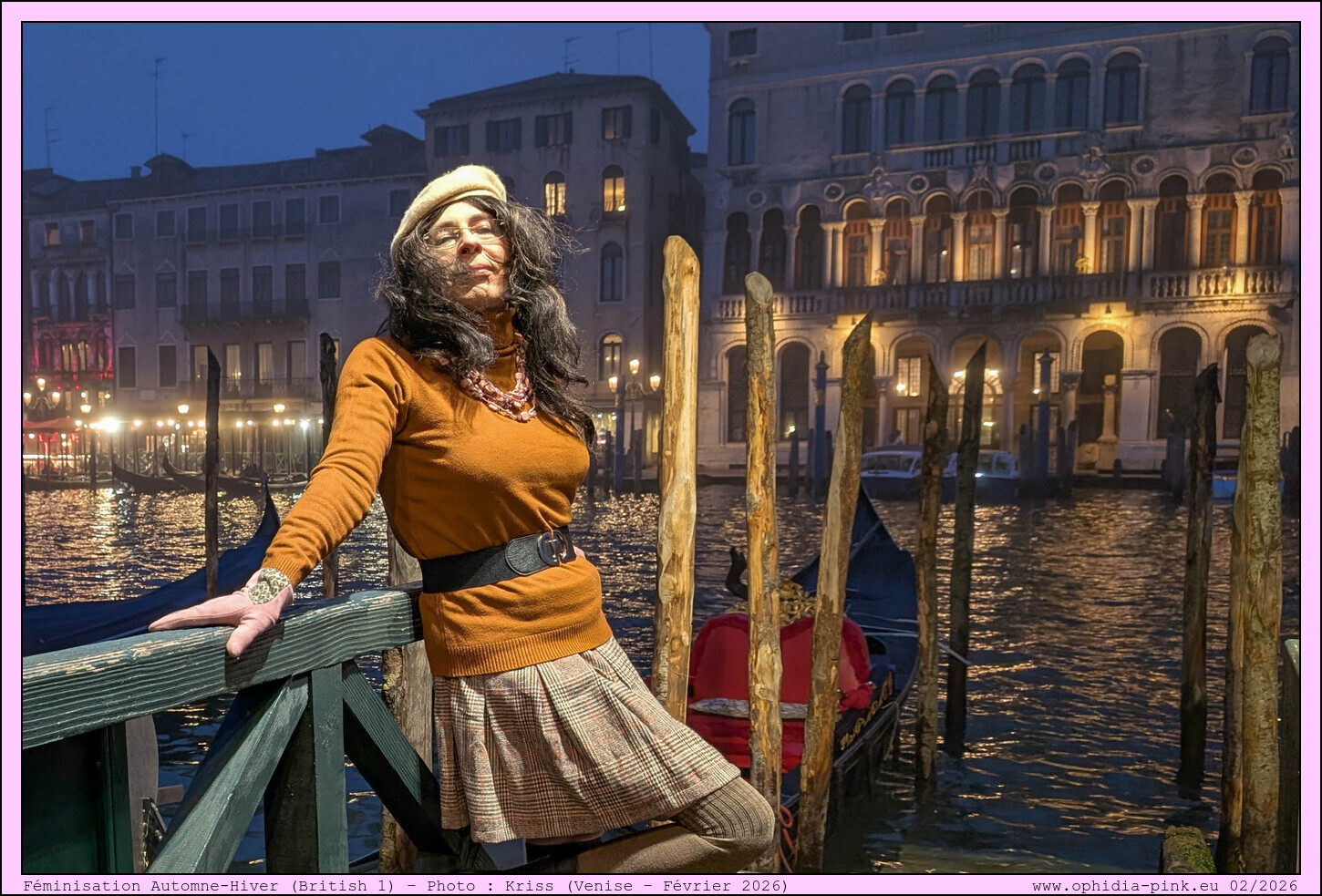
The name likely originated from a 19th-century confusion between the Scottish word tweel (serge) and the River Tweed. As is often the case in fashion history, a commercial misunderstanding eventually became a cherished tradition. Tweed is typically woven with yarns of several blended colors, giving it a mottled, vibrant appearance. Classic patterns include herringbone, houndstooth, and gun club check. This sturdy woolen fabric, with its distinctive patterns and earthy hues, became a cornerstone of the British country wardrobe, embodying both practicality and sophistication.
The most famous is undoubtedly Harris Tweed, produced in the Outer Hebrides of Scotland according to very strict regulations. This fabric even has an official label guaranteeing that it was spun, dyed and woven locally by hand.
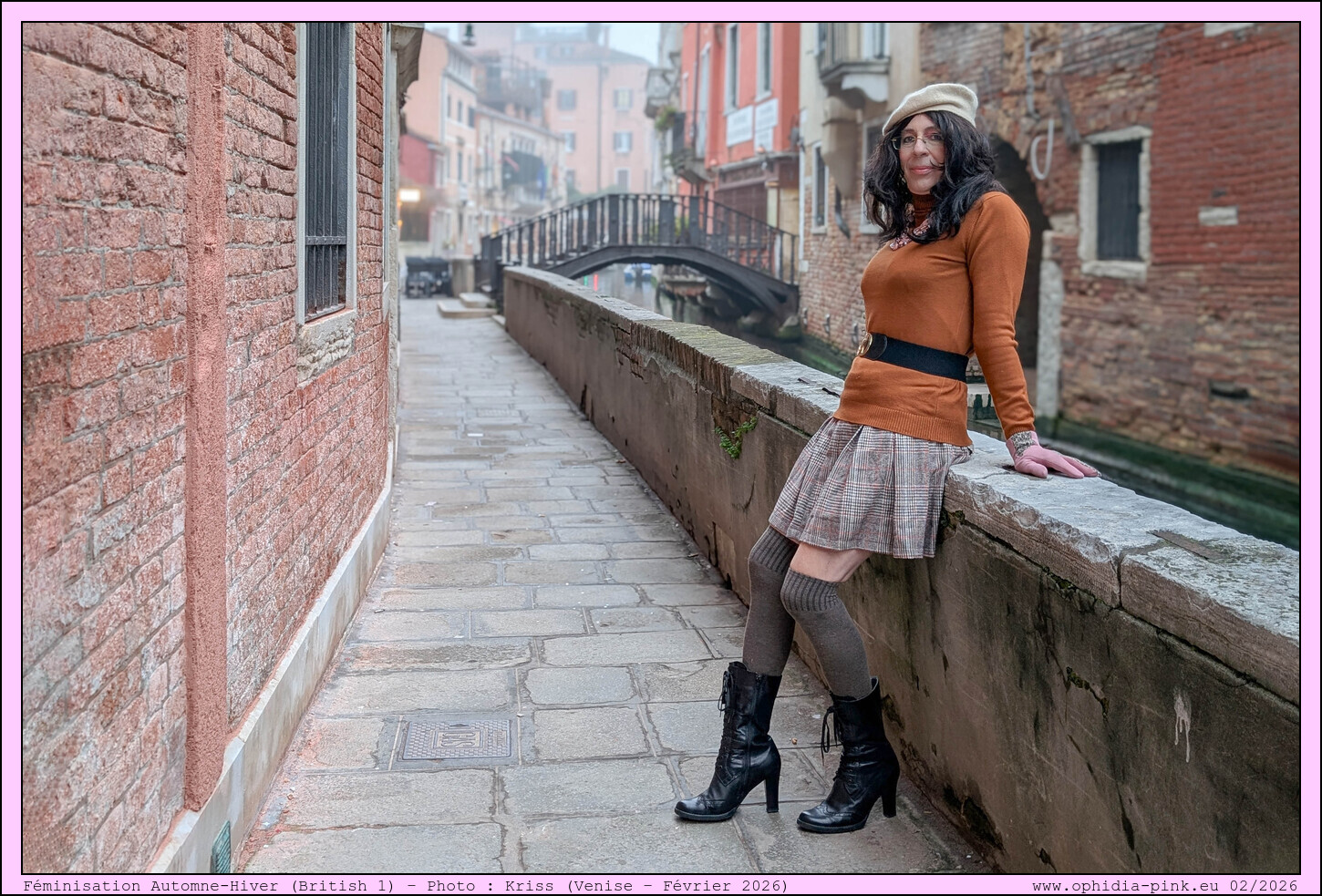
Today, tweed is used as much in classic fashion as in more modern styles: tailored jackets, flat caps, coats, bags, or even luxury sneakers, because no traditional material can long escape marketing. It retains an image of somewhat intellectual refinement, somewhere between a British university professor, a rural aristocrat, and a detective sipping whisky in the rain.
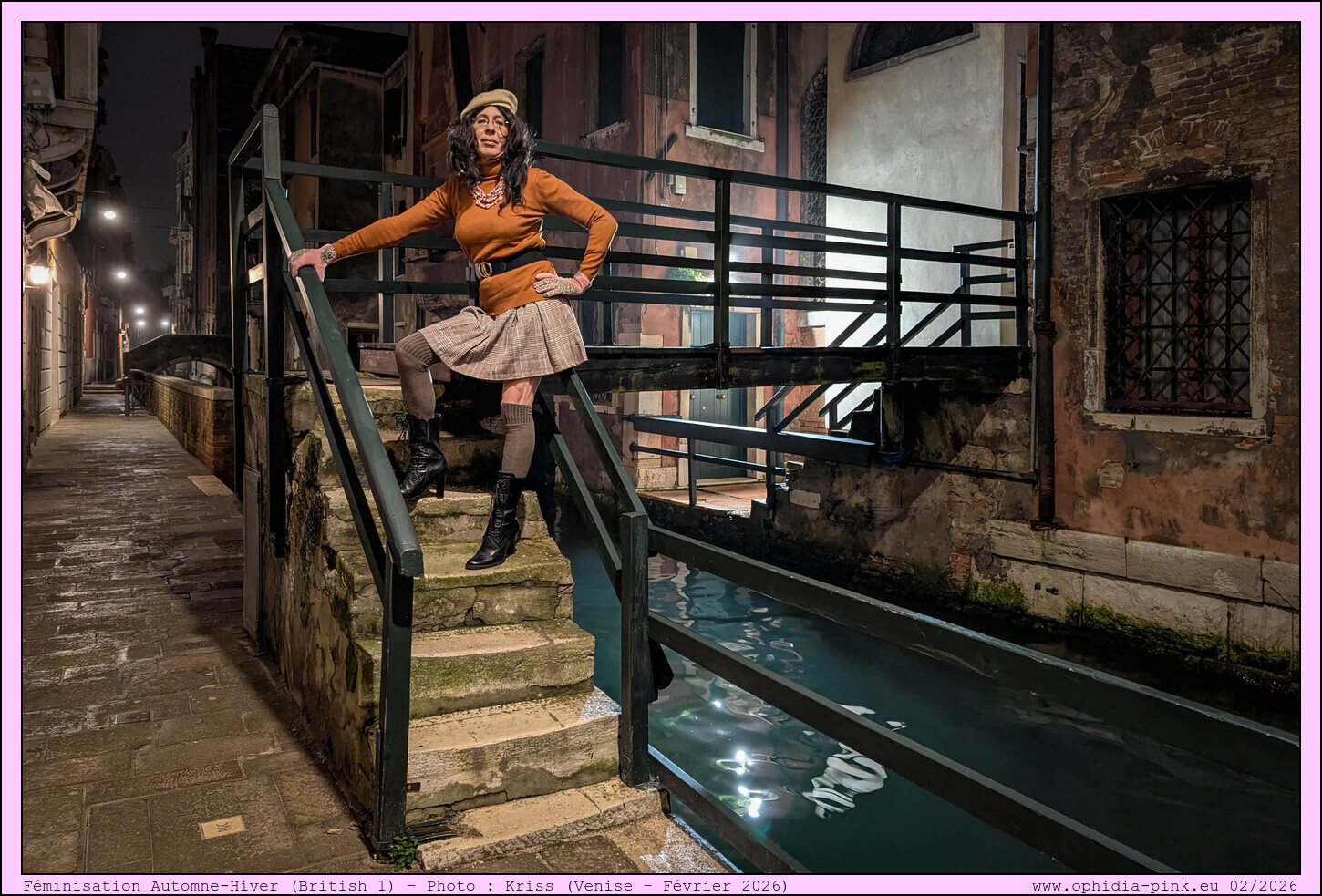
The Tweed Skirt (Short Box-Pleated Skirt): The box-pleated skirt is a variation of pleated skirt styles. A box pleat is created by allowing the two folds of the pleat to meet and form the inverted part of the pleat. The same pleat pattern continues around the skirt. Box-pleated skirts are often made from thicker fabrics to give the skirt volume and shape.
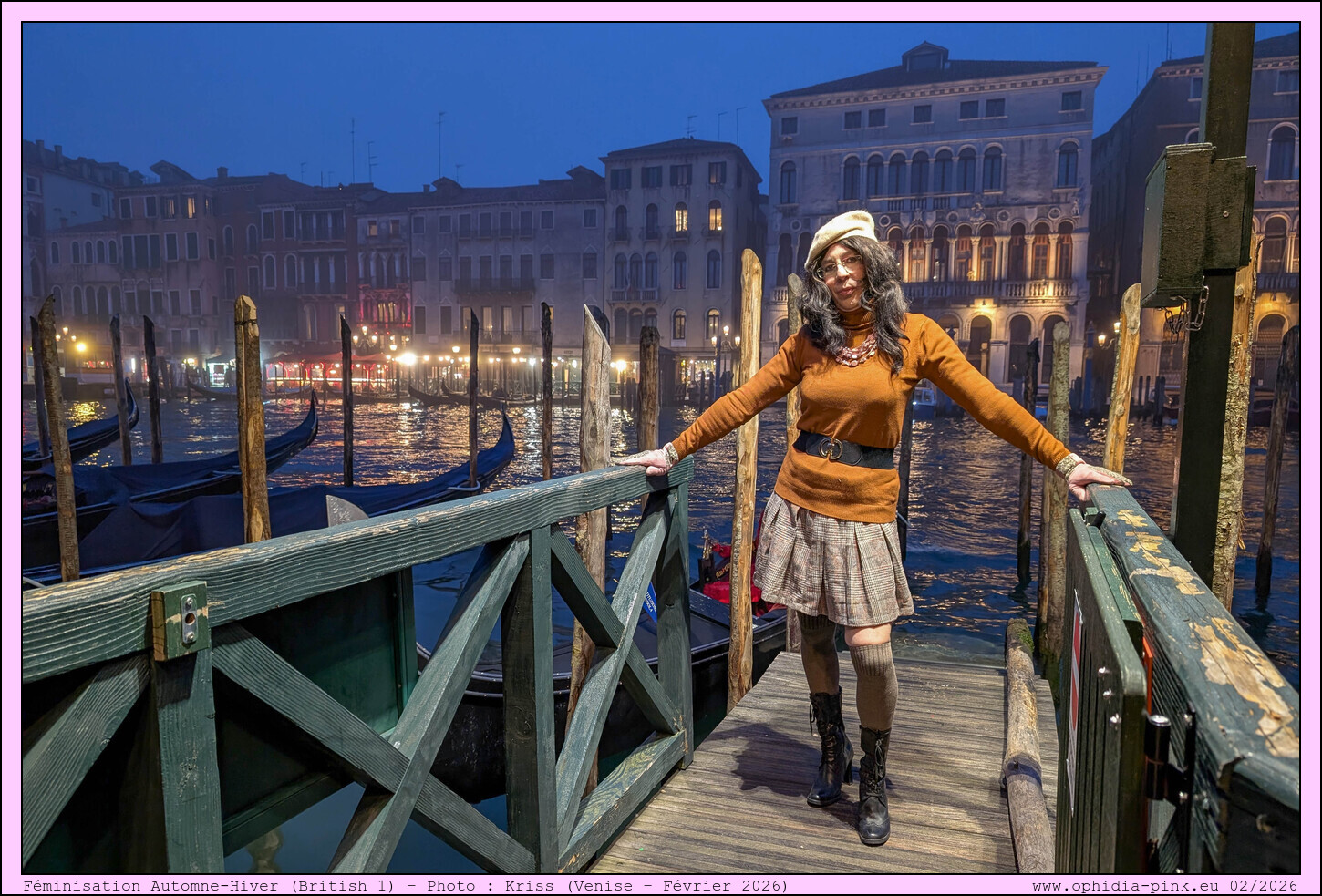
Depending on the temperature, the outfit can be perfectly complemented with a long coat for more comfortable warmth (This was the case here outside of the photo shoot - Mid-February evening in Venice, it is a little less than 10° and it is quite... humid).
