 |
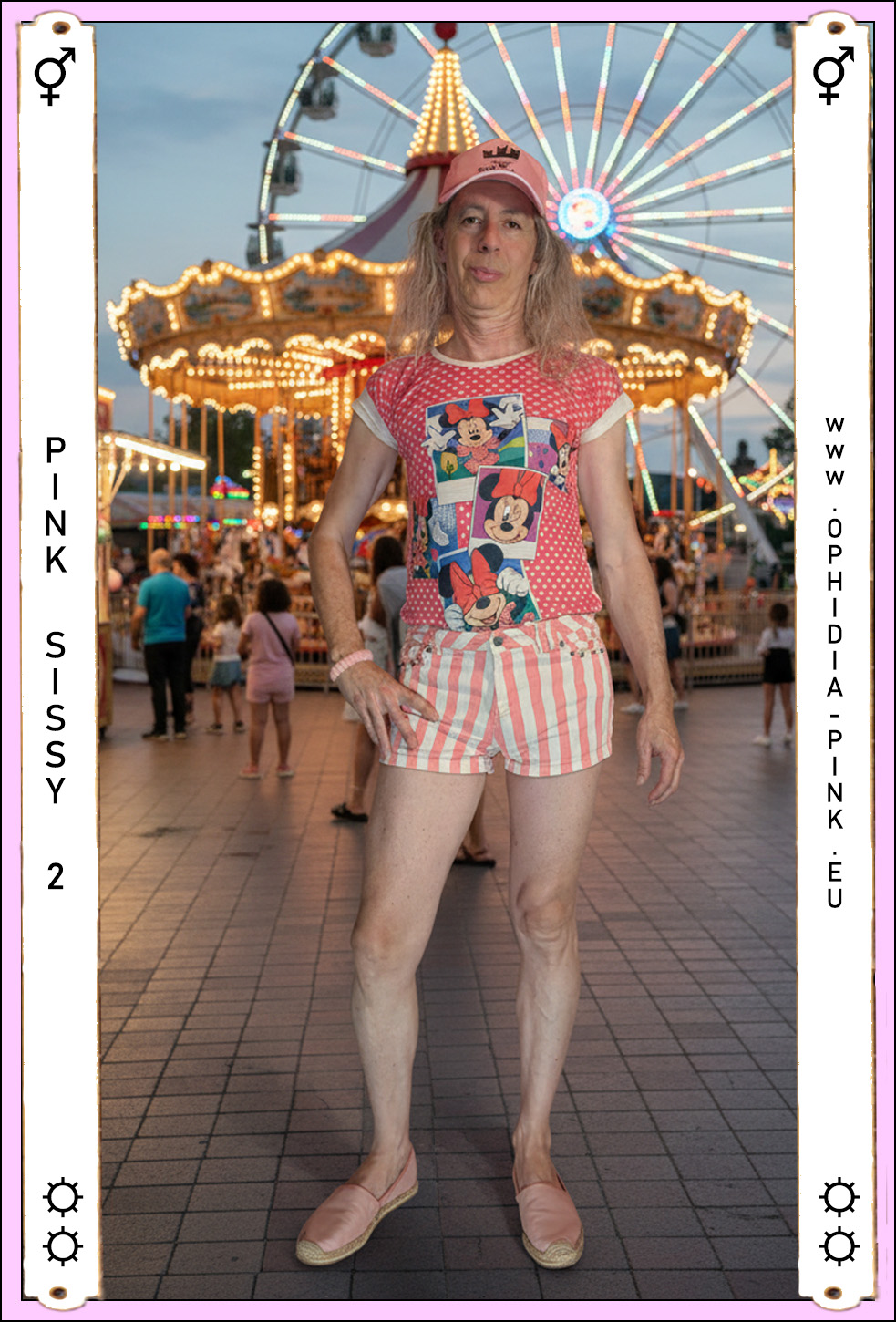
- Pink Style - Hot Season For women, pink is a classic… almost a cliché. Fashion has recycled it as a symbol of sweetness and romance, then of power when feminism seized upon it, transforming it into a confident and ironic color. Barbie pink, for example, was first a caricature, then a declaration of strength. We also see powdery shades in luxury, fuchsia in streetwear, and pastels in anything that aims for an ethereal look. It changes from season to season, but the idea remains: pink signifies a strong, assertive style, even when society claims it evokes fragility. For men, it's the opposite story. For a long time, pink was considered masculine in Europe (in the 18th century, it was common among aristocratic men, associated with opulence and expensive dyes). Then, in the 20th century, it fell into the "not masculine enough" category because people decided that a pigment had a gender. Since the 2000s, and especially the 2010s, it has made a comeback without any major controversy: pink shirts in business casual wear, pale pink hoodies very popular in contemporary menswear, and even saturated pink in luxury and sportswear. The prevailing narrative is that wearing pink projects a certain confidence, like, "I don't let a color dictate my masculinity." The idea that pink belongs to a genre is really a recent Western cultural product. Elsewhere, pink is a color among others, with varied symbolism, but rarely an ideological battleground. |