- French Maid -
The term "French Maid" refers to an archetype that originated in the Anglo-Saxon imagination rather than in any genuine French tradition. It draws inspiration from the uniforms worn by female domestic workers in the late 19th and early 20th centuries but transforms them into a stylized, fantasized version: a short black dress, a white apron, a lace cap, and sometimes stockings or a garter belt. This depiction became widespread in boulevard theater, variety shows, and cinema, and later in Japanese and Western popular culture.
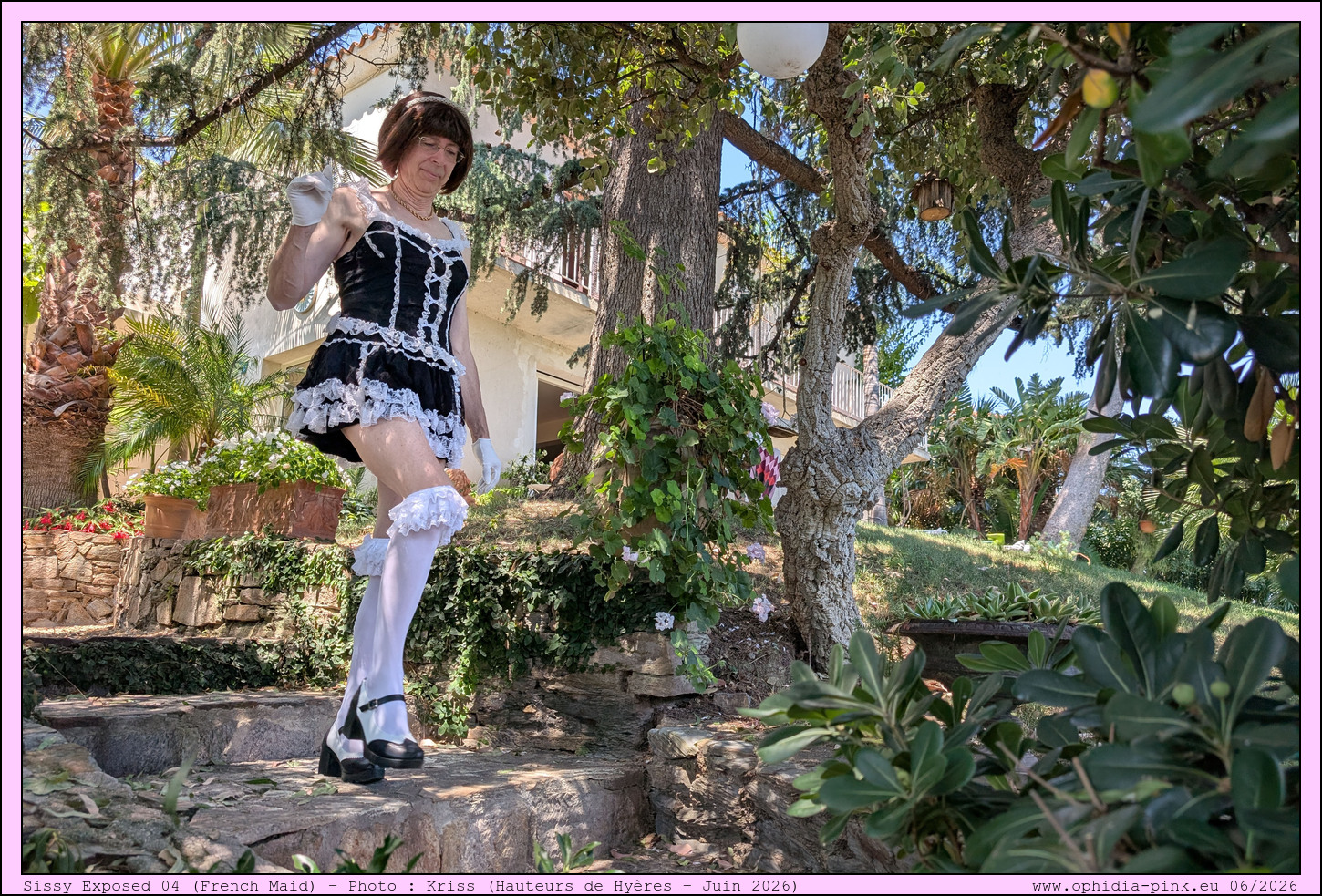
In a BDSM context, the French maid costume is primarily associated with role-play based on notions of service, hierarchy, and submission. The person wearing the outfit typically assumes the role of a domestic servant tasked with carrying out the requests of a master, mistress, or figure of authority. The appeal of the game lies not necessarily in the sexual act itself, but often in the relational dynamic created by this disparity in status.
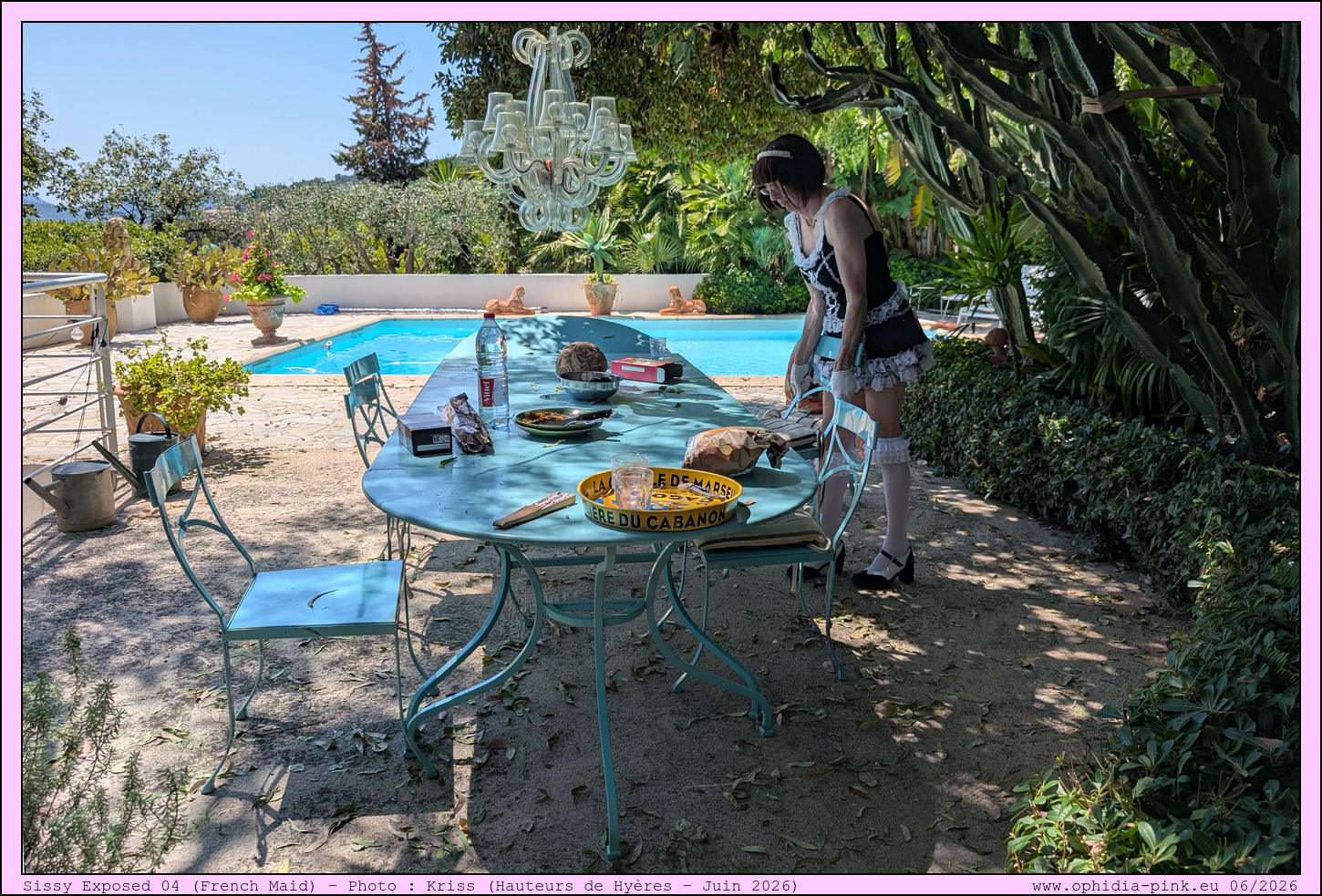
Scenarios can vary widely. Some are limited to a lighthearted, humorous setup in which the person in costume performs actual or symbolic household chores. Others place greater emphasis on BDSM elements through rules of conduct, service protocols, and pre-agreed rewards or punishments. As is often the case in BDSM, the intensity of the play depends entirely on the participants' preferences and the boundaries they have negotiated.

Psychologically, fantasy often relies on the temporary relinquishing of a degree of autonomy. For the submissive partner, pleasure may stem from the feeling of being of service, meeting specific expectations, or focusing on a clearly defined role. For the dominant partner, the appeal often lies in exercising symbolic authority, enacting a position of command, or bearing the responsibility of guiding the interaction.

The appeal of the French maid also lies in a distinctive blend of discipline and elegance. The costume simultaneously evokes order, cleanliness, domestic work, and a form of theatrical femininity. This combination creates a contrast that fuels the imagination: a figure traditionally associated with service becomes the focus of attention and fantasy.