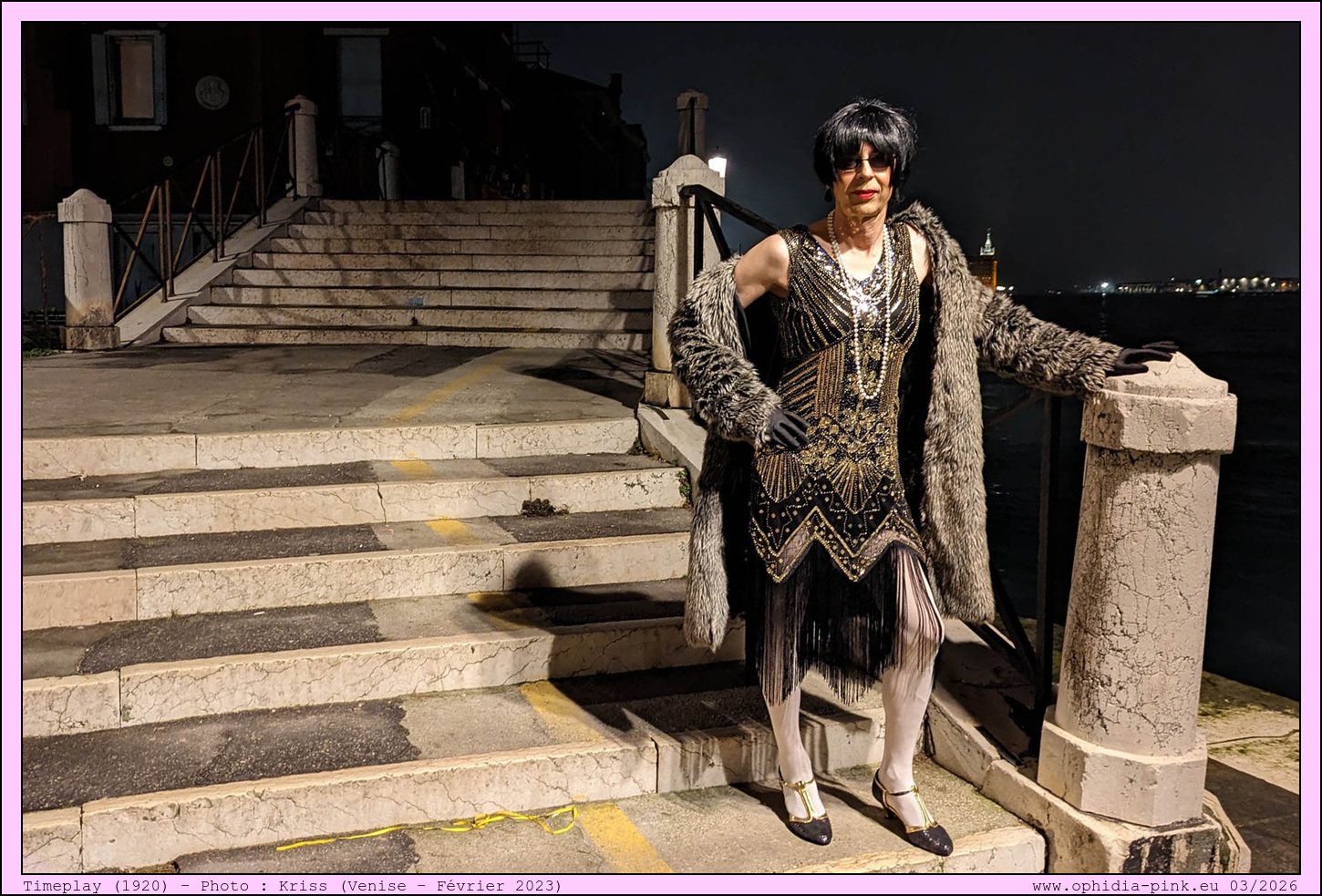
- 1920's -
The 1920s in France, especially in Paris, marked a complete revolution in the way women dressed. After the First World War, society changed dramatically. Women worked, moved around, and gained relative independence. As a result, fashion abandoned the constraints of the 19th century and became simpler, freer, and more modern. Here are the main characteristics.
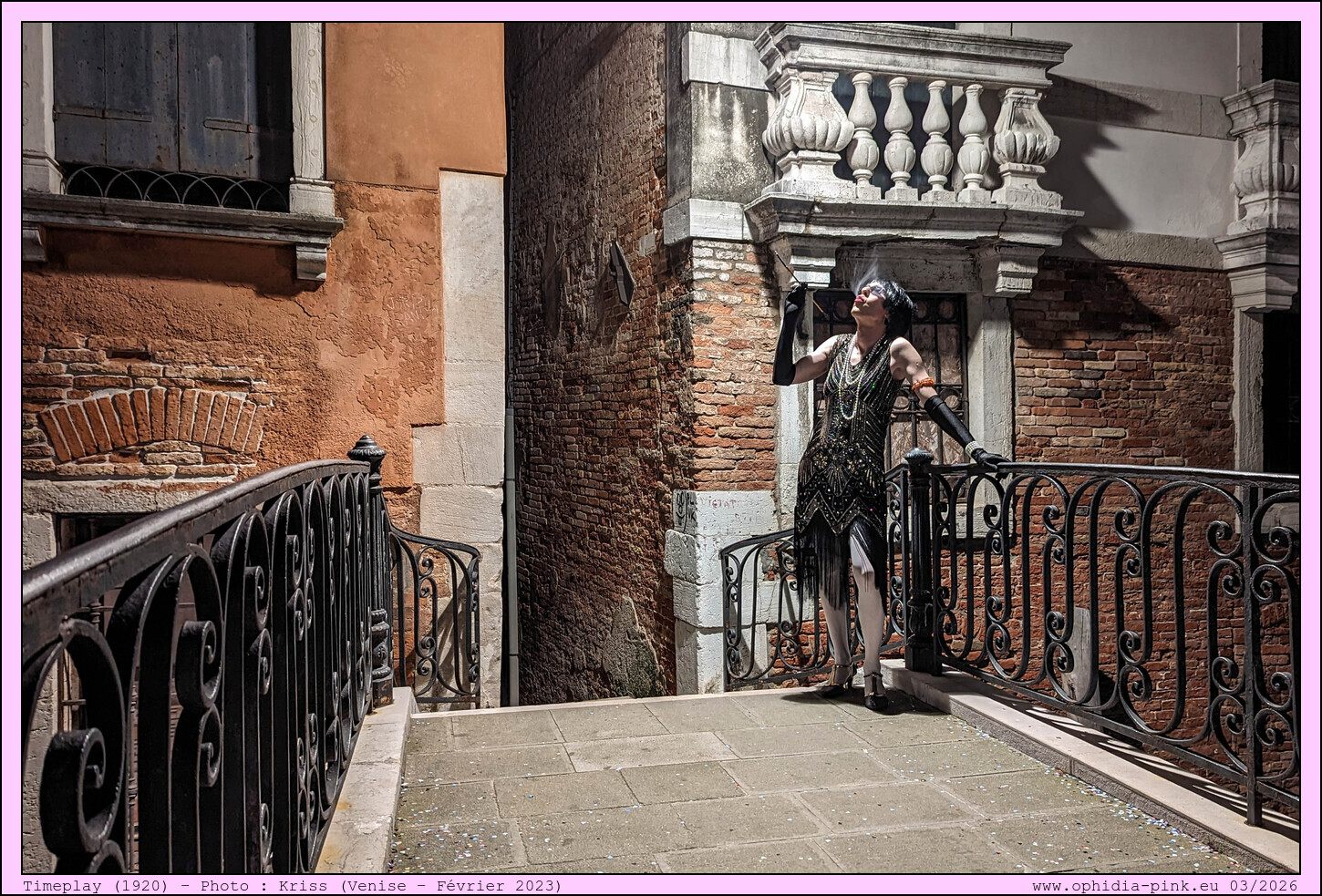
The most radical change was the erasure of traditional feminine forms. The goal was a straight, tubular silhouette with a low waist. The bust was flattened, often with bandeau tops, and dresses became shorter (reaching the knee towards the end of the decade). The aesthetic ideal became the slender, almost androgynous woman. This style was popularized by the idea of the flapper, popularized by the novel *La Garçonne* by Victor Margueritte, published in 1922.
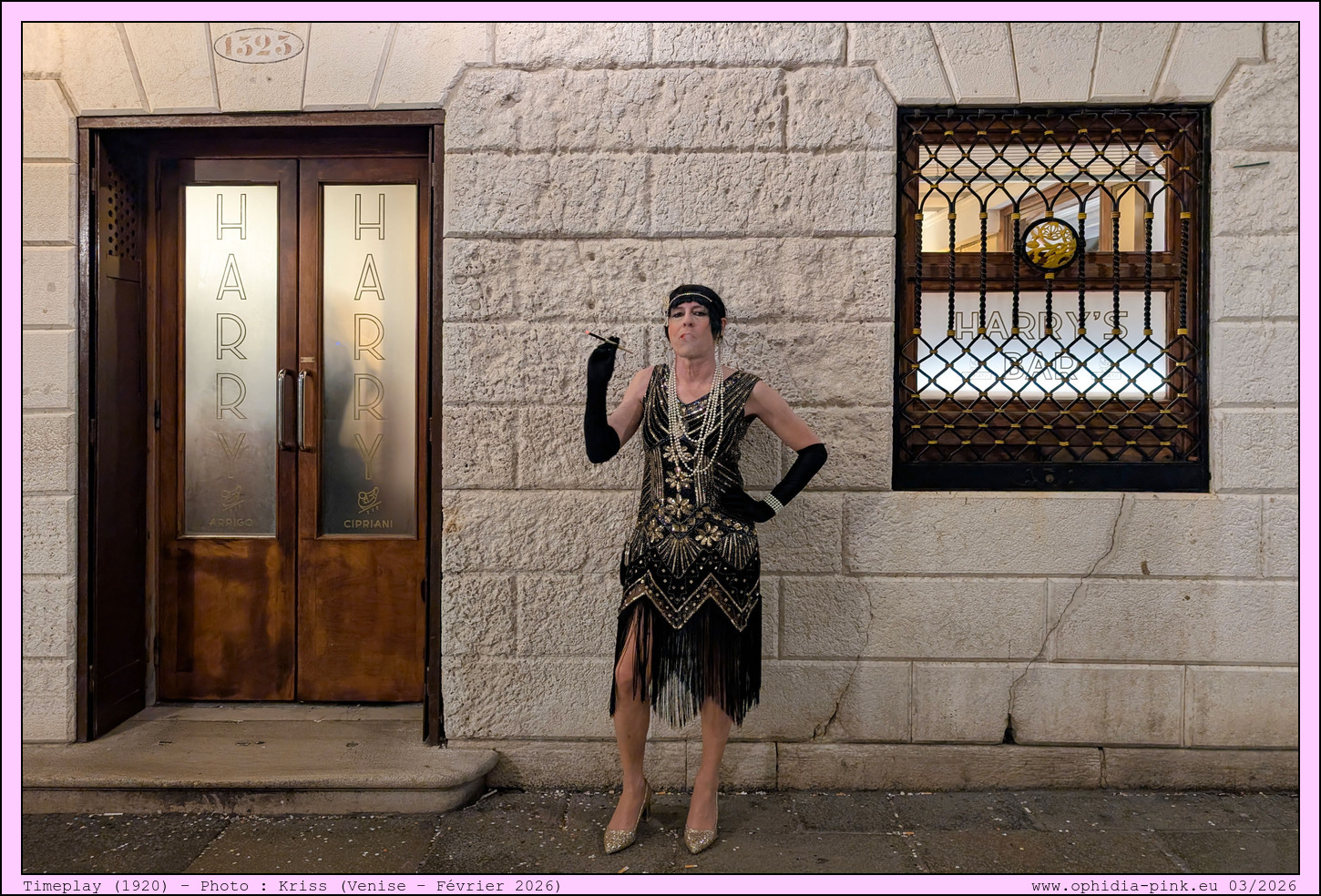
The 1920s were the era of jazz and dance (Charleston, Foxtrot). Clothing had to move with the body. Dresses became the central element of the 1920s style, with flowing fabrics (silk, chiffon, satin) embellished with pearls, sequins, Art Deco embroidery, and fringes that moved with the dance.
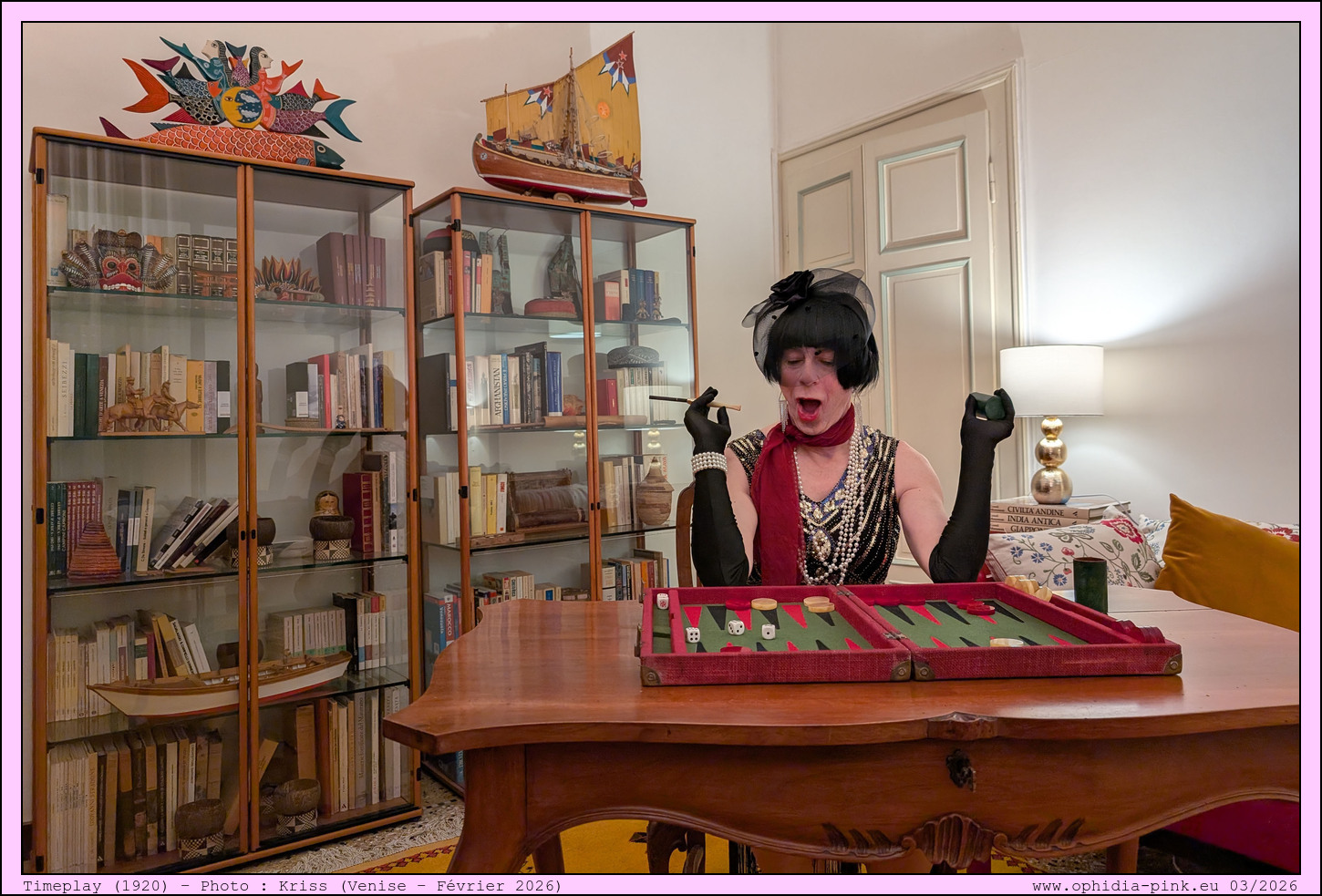
A true societal revolution, modern women of the 1920s cut their hair. The short bob, often angled, was typical of the era. Hair was sometimes slicked back, a symbol of emancipation.
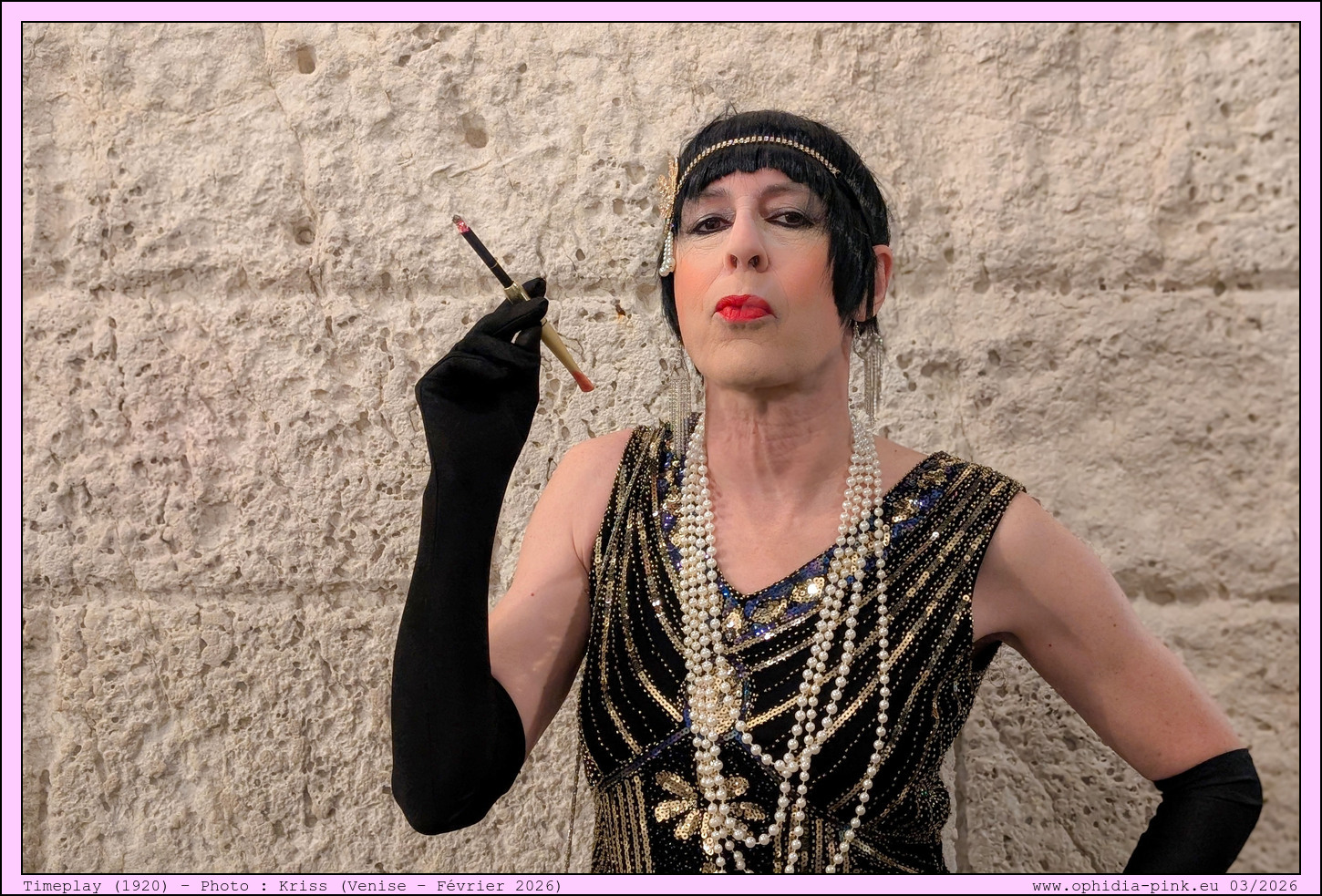
Certain accessories became iconic, such as the cloche hat, long pearl necklaces, cigarette hoilders, headbands with feathers, and flesh-colored stockings.
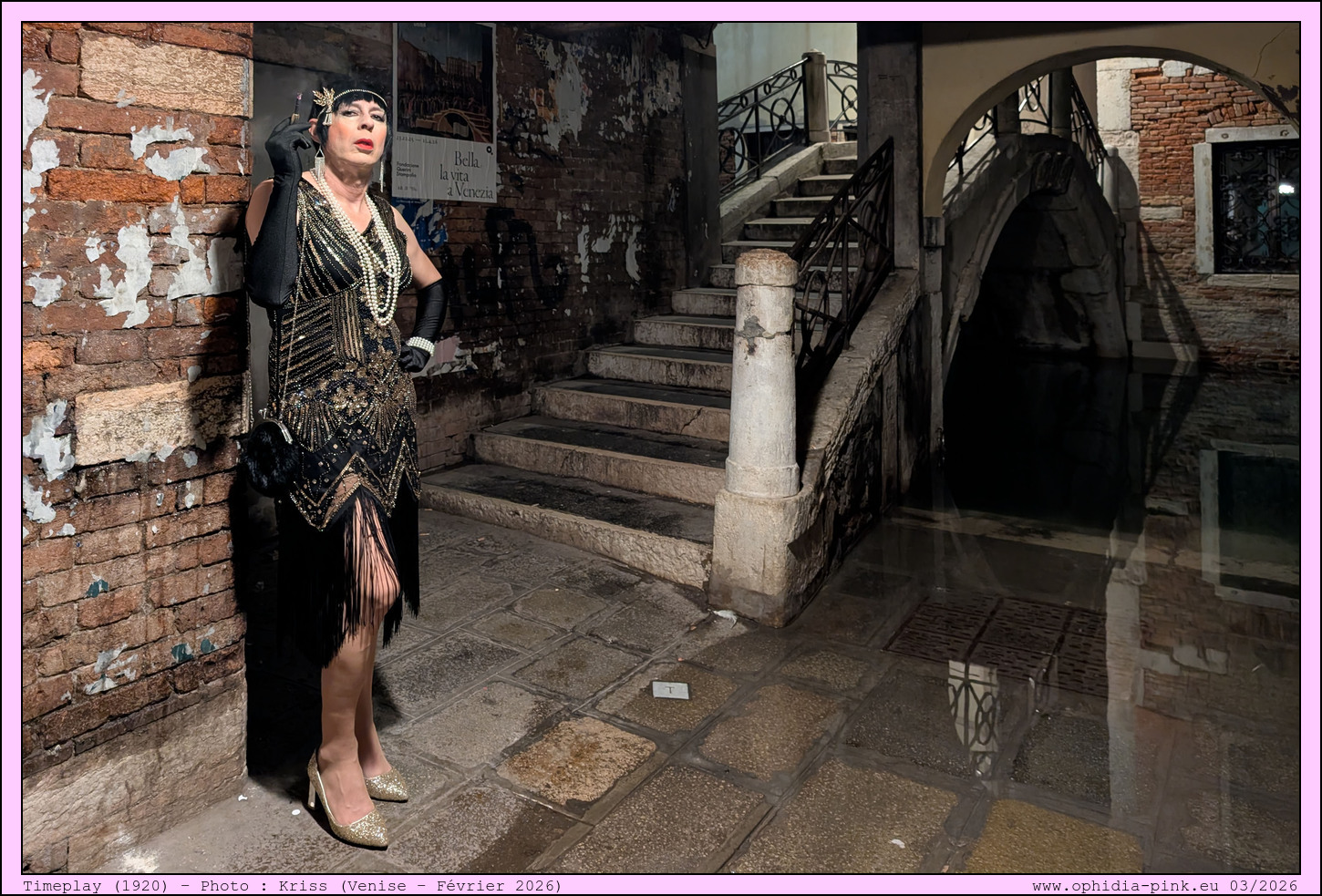
Shoes of the time were low-heeled, often with a strap.