| Makarouna (Voir) Pâtes à la Tunisienne |
The cuisine of the Maghreb (Morocco, Algeria, Tunisia, Libya, Mauritania) is distinguished by its rich and fragrant flavors, inherited from multiple Berber, Arab, Andalusian, Mediterranean and Oriental influences. It relies heavily on the use of cereals (wheat semolina, bread, couscous), dried vegetables, spices (cumin, coriander, ras el-hanout, harissa), olive oil and fresh herbs.
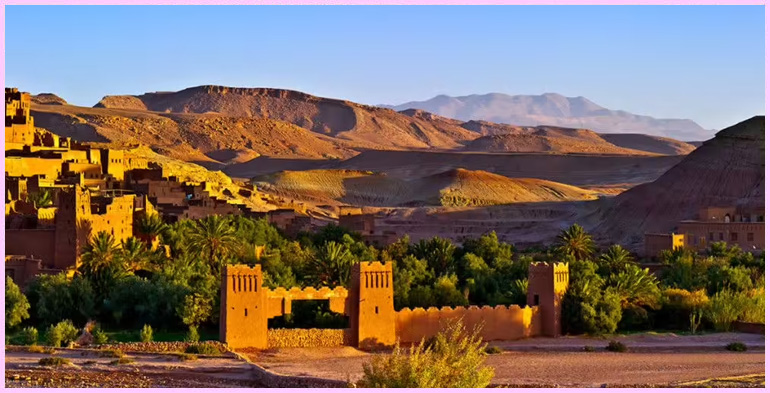
Signature dishes like couscous, tagine, and chorba subtly combine meat, vegetables, and dried fruits. There's also a rich tradition of pastries made with almonds, honey, and dates, as well as a strong sense of conviviality around shared meals.
Ras el-hanout is an iconic spice blend from the Maghreb, primarily found in Morocco but also used in Algeria and Tunisia. Its name literally means "the head of the grocery store," meaning the best the grocer has to offer. It's not a fixed recipe: each merchant or family has their own composition, which can vary from 10 to over 30 different spices.
Ras el-hanout is used to flavor stews such as tagines, couscous, grilled meats, or even certain rice and vegetable dishes. Its distinctive feature is that it brings a very complex aromatic warmth, at once woody, floral, and slightly spicy.
This spice blend is quite readily available in stores.
Caraway (also often called meadow cumin) is widely used in North African cuisine (particularly in Tunisia, in the 'tabil' blend or with harissa), but also in Central and Northern Europe, where it is added to bread, cheese (Munster, Gouda), sauerkraut, and liqueurs. Cumin and caraway are often confused, but cumin is warmer and earthier, while caraway is fresher, aniseed, and slightly lemony. A palatable equivalent of caraway is obtained by mixing 50/50 cumin and fennel seeds.
