The fourth most consumed spirit in the world is Gin, which represents a market of 15 billion USD (64 billion for Whisky, 26 billion for Vodka and 17 billion for Rum). For the sake of precision, I point out, however, that I am not counting Baijiu, a rice alcohol whose market is 50% larger than that of Whisky but which is largely consumed only in China.
The characteristic element of Gim is the use of juniper (Juniperus communis berries) to flavor it.
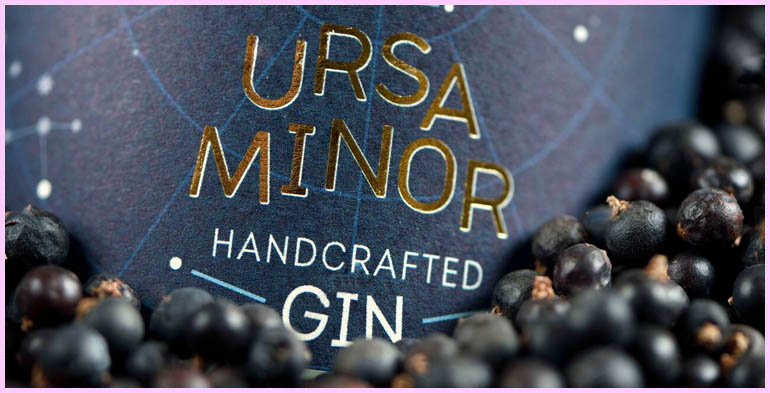
Between the 13th and 14th centuries in the Netherlands, a drink made from juniper berries and distilled alcohol appeared as a remedy for illnesses (kidney problems, gout, etc.). English soldiers discovered this drink, called Genever, during the war against Spain (1585-1604). They then nicknamed this alcohol "Dutch Courage."
Gin was first imported to England after William of Orange's accession to the British throne in 1689. A period of massive and uncontrolled consumption ensued in London. Cheap (often adulterated) gin caused social havoc: alcoholism, poverty, and crime. Parliament passed several laws to restrict the production and sale of gin, including the Gin Act of 1751.
In the 19th century, the introduction of the Coffey still, which produced a purer alcohol, led to the creation of a drier, sweetener-free gin, which became the premium standard (London Dry Gin). Gin was then combined with tonic water to combat malaria throughout the British Empire, especially in India. "Tonic" water is carbonated water with quinine added for bitterness. Schweppes is the oldest brand of tonic water (1870), having filed a patent for the production of carbonated water (soda water) in 1783.
Après 1945, le Gin considéré comme démodé connait une forte perte de popularité au profit du whisky et de la vodka. Mais après 2000, il retrouve le succès à la fois grace aux cocktails de plus en plus en vogue mais aussi grace à de nombreuses microdistilleries produisant des Gins artisanaux recherchés aux botaniques variés.
The first step is to obtain alcohol. This is generally obtained from cereals (corn, barley, wheat, rye) or beet/cane sugar. The goal is to produce a neutral alcohol, approximately 96% pure by volume, with no strong taste. Some distilleries purchase this neutral alcohol, while others produce it themselves.
Next comes the flavoring stage. Several botanicals are common, but note that the presence of juniper (Juniperus communis berries) is mandatory for a drink to be legally considered gin. Coriander, angelica root, citrus peel (orange, lemon), cinnamon, cardamom, or licorice are often added. Craft distilleries sometimes use local or exotic ingredients: lavender, rose, pepper, seaweed, cocoa, etc.
There are three flavoring methods. Direct distillation with maceration (pot still) of the botanicals for 12 to 48 hours. This is the most common method for London Dry Gin. The botanicals are macerated in neutral alcohol for 12 to 48 hours. The second method is steam infusion. The botanicals are placed in a basket suspended above the alcohol in the still. The hot alcohol vapors pass through and extract the flavors more delicately. As a final option, the alcohol can also be blended with natural or artificial flavors without distillation. This is the method used for entry-level gins.
The final distillate (often 70-80% vol.) is diluted with purified water until the desired strength is reached (usually 37.5% to 47% vol.).
Regular gin has a very dry flavor, which is why it's rarely drunk neat. It's mostly found in many cocktails, when it's not already available in a flavored version.
There are two main varieties of Gin:
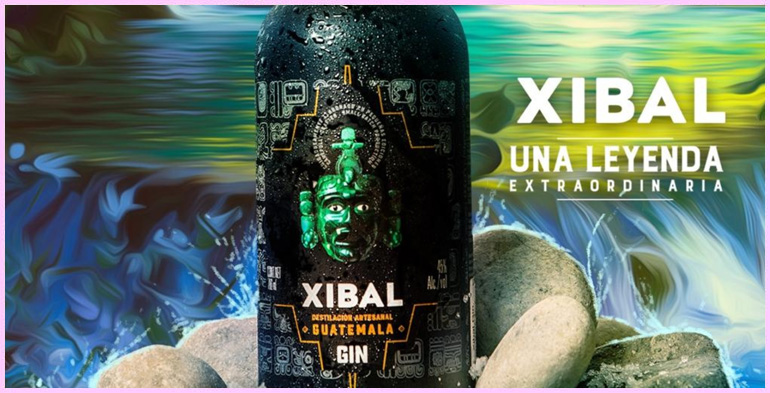
Xibal comes from Guatemala. It is traditionally produced in an original micro distillery with classic copper stills. Production is mainly manual and Xibal is distilled 5 times for optimal purity. Xibal uses emblematic botanicals from Mesoamerican history as a fundamental element of its essence. Through the combination of bay leaf, lemon, black pepper, orange, pericarp, and cardamom, Xibal aims to establish a link between Guatemalan roots, pre-Columbian Mayan culture, and contemporary Guatemalan culture. The bottle is magnificent, which doesn't hurt! Xibal gin won the 2021 Gold Medal at the 'Gin Masters' in London. For your information, Xibalhá is the name of a vast kingdom in Mayan mythology guarded by all-seeing gods, filled with legends and priceless treasures.
The Five O'Clock from the French distillery Straw Bale is an excellent example of what microbreweries are able to offer. A gin with accents of blueberries, blackcurrants, and angelica, which, of course, is best enjoyed neat!
