 |
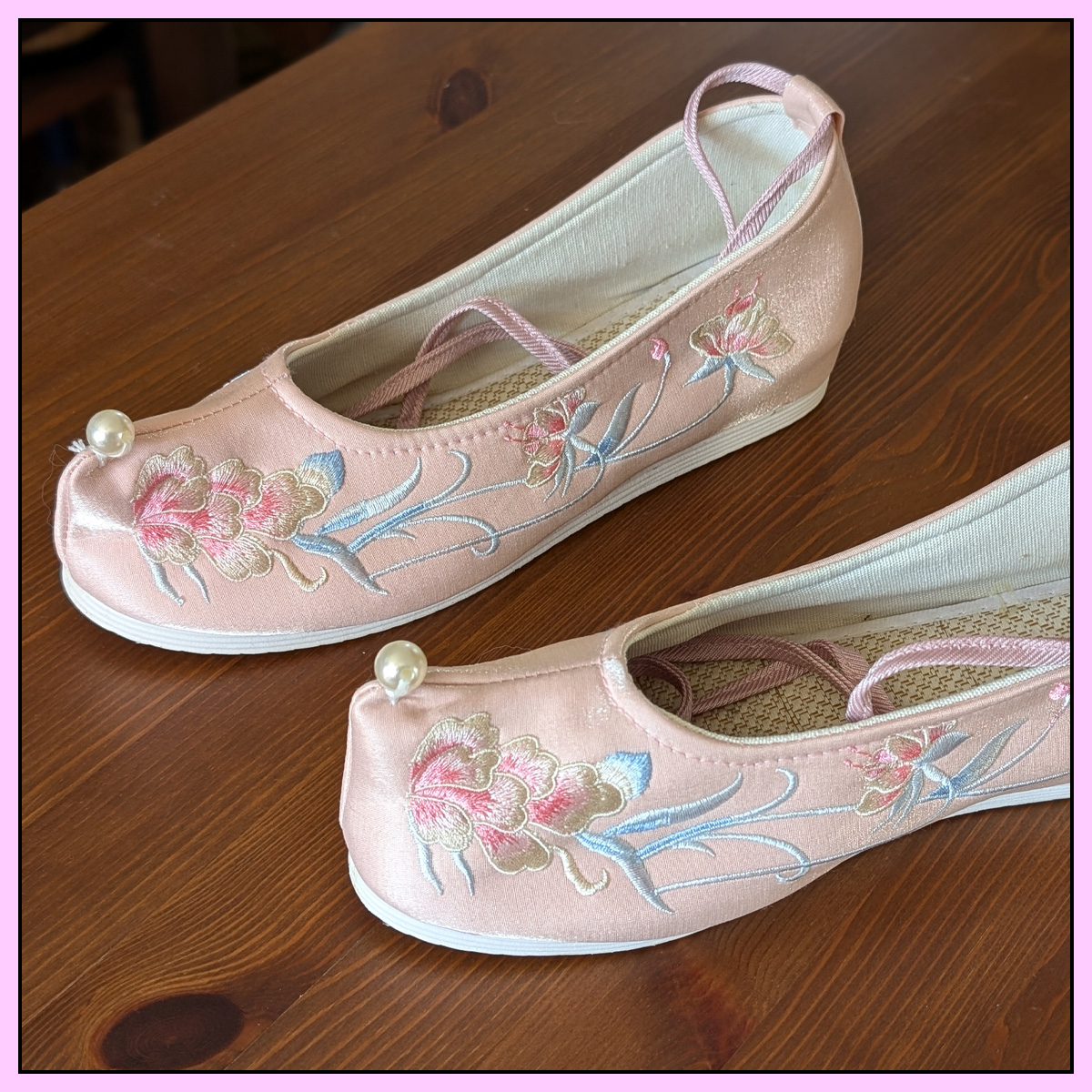
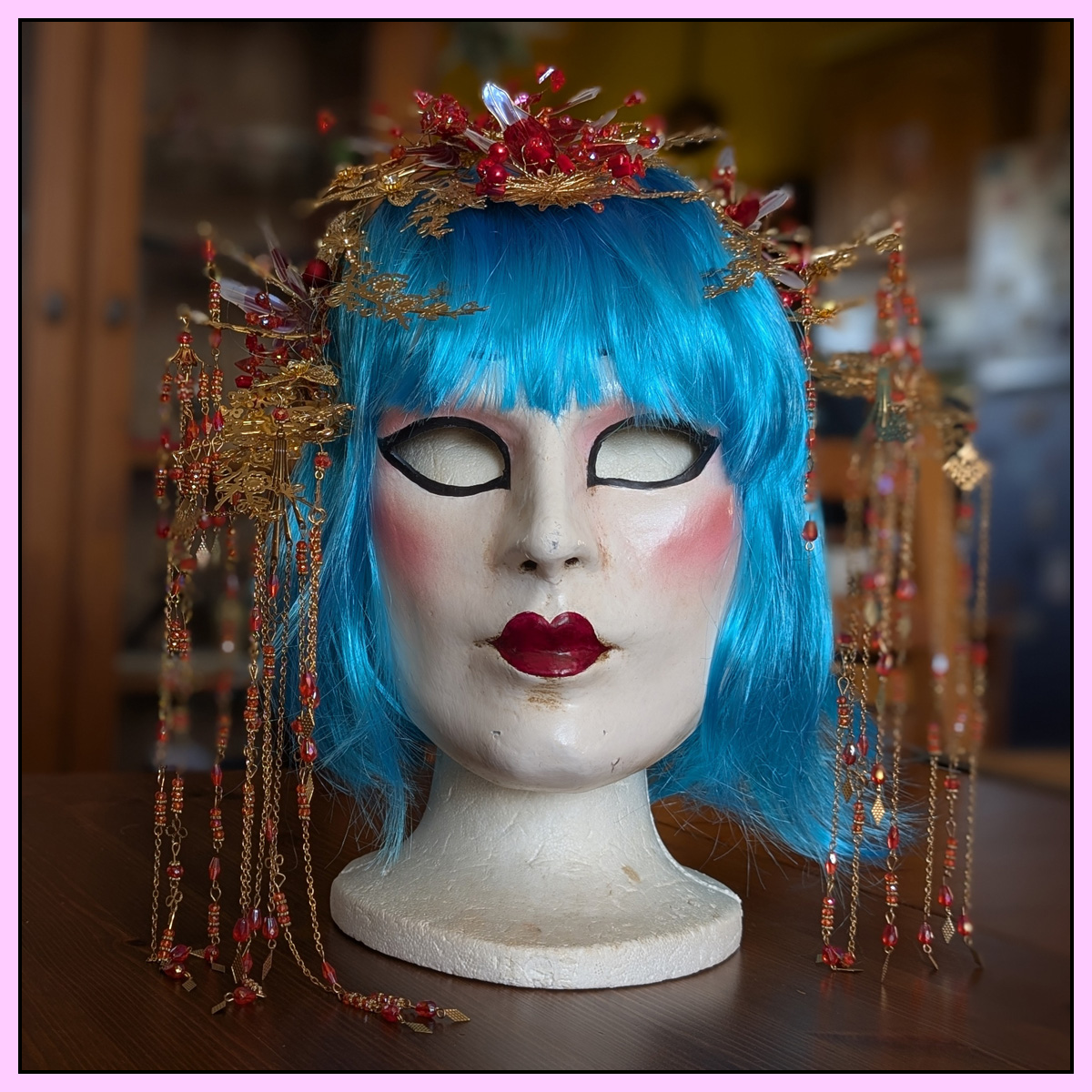
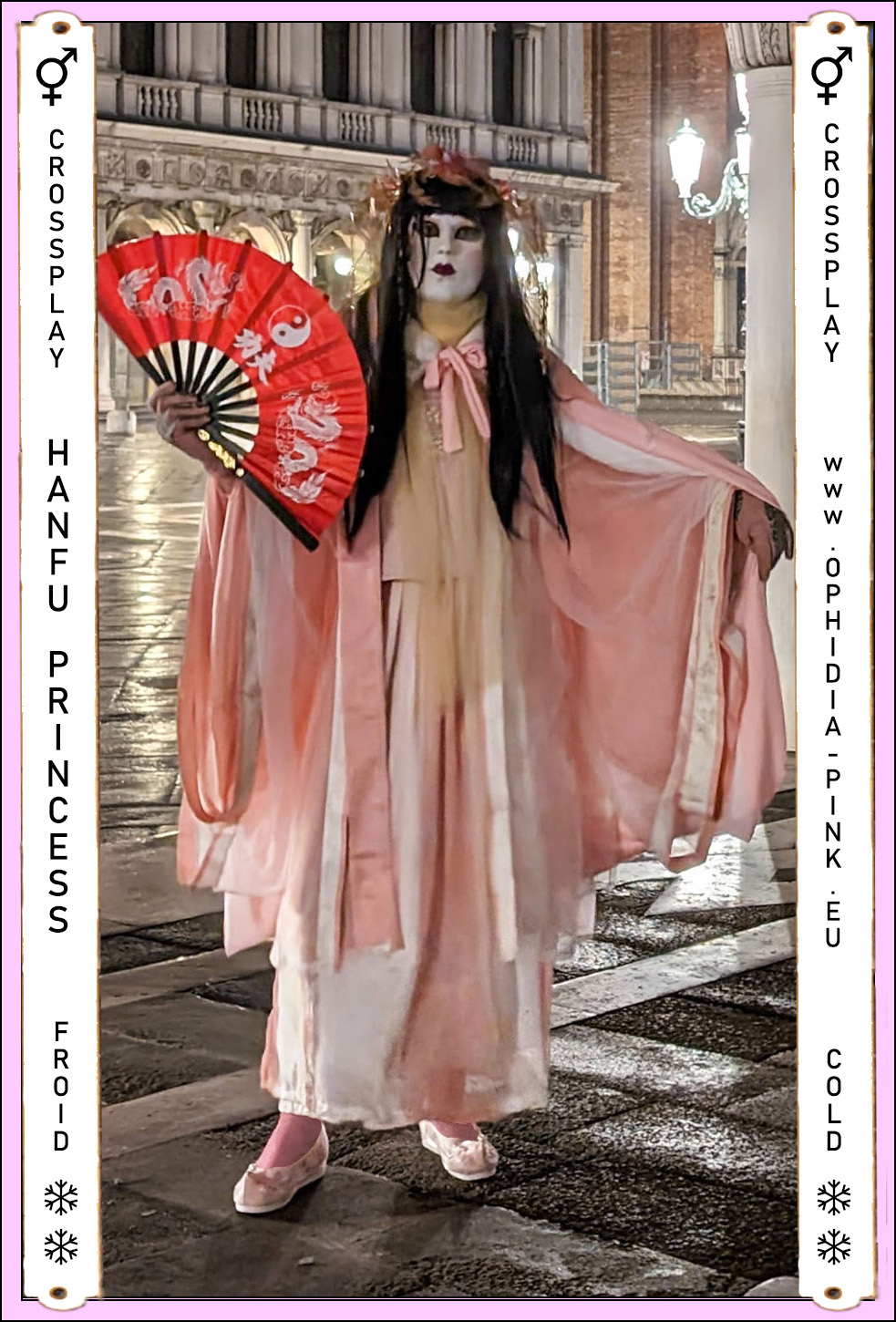
THEME : Hanfu clothing has historical significance as the traditional attire of the Han Chinese, symbolizing cultural heritage, social hierarchy, and ethical values over the millennia. Literally, "Hanfu" means "clothing of the Han" in Chinese. The Han are the "historical" Chinese people. The name dates back to the Han Dynasty (206 BC to 220 AD). The Han ethnic group is the largest ethnic group in China, constituting approximately 92% of the Chinese population at the beginning of the 21st century. Hanfu isn't just about aesthetics. Its style, colors, and design elements were often indicative of social status and rank in ancient times. It's important to understand that it wasn't a one-size-fits-all style; it could vary considerably with each emperor, with women's fashion all about pleasing the emperor! HAIRDRESSING: Han people have long hair. Men wear it in a bun, while women often wear it in a bun and two long (sometimes very long) pigtails or braids. Han hairstyles are also characterized by elaborate hairpins among important people. All these accessories can be found today on the most popular Chinese websites... as well as wigs that allow you to achieve one of the very complex classic hairstyles without spending an hour trying something wrong! DRESS: My dress is made up of several elements, a small strappy top and a long skirt over which we put a first piece of clothing with very wide sleeves then a second, translucent and embroidered which has the same shape and comes on top. Finally, a belt comes to encircle the waist and keep everything well in place. This composition is characteristic of the Ming period. In the photo you can see that I am wearing a fur-lined winter cape, at night in Venice in February it is appreciable! SHOES: I have on my feet a very pretty pair of traditional Hanfu shoes that I chose so that the colors would harmonize best with those of the dress and its embroidery. |
FAN :Since ancient times, the fan has evolved far beyond its primary function of providing a gentle breeze. In Asia, the fan established itself as an object of high distinction. In China, it was a symbol of status and power. Emperors and nobility made it a must-have accessory, often crafted from luxurious materials such as silk and jade, adorned with elaborate designs. A gentle movement of the fan could express subtle emotion, refusal or approval, transforming this utilitarian object into a true silent language.
I must admit that I gave in to the pleasure of taking out my Tessen here, putting aside the historical rigor of the costume (But Cosplay, I remind you, is PLAYING with costumes, it should not be confused with historical reenactment where this kind of fantasy would be prohibited). So what is a Tessen? It is a typically Japanese evolution of the fan that becomes a real weapon. Made from sturdy metal, it could parry saber blows, disarm an opponent, or even inflict mortal wounds.
In Japan, steel fans, or tessen, represented a unique form of defensive weapon. They allowed samurai to defend themselves in situations where they were not permitted to carry their swords, such as in formal or diplomatic settings. These fans were sometimes reinforced with sharp blades or points, making them useful both for blocking blows and for striking an enemy.