LPartying has always been, and always will be, transgressive. Witness the transvestite balls of the 19th century, a time when, by nightfall, codes were already being trampled. There are many posters of 'Bal Travestis' from this period, but let's take a closer look at what a 'transvestite' ball meant at that time.
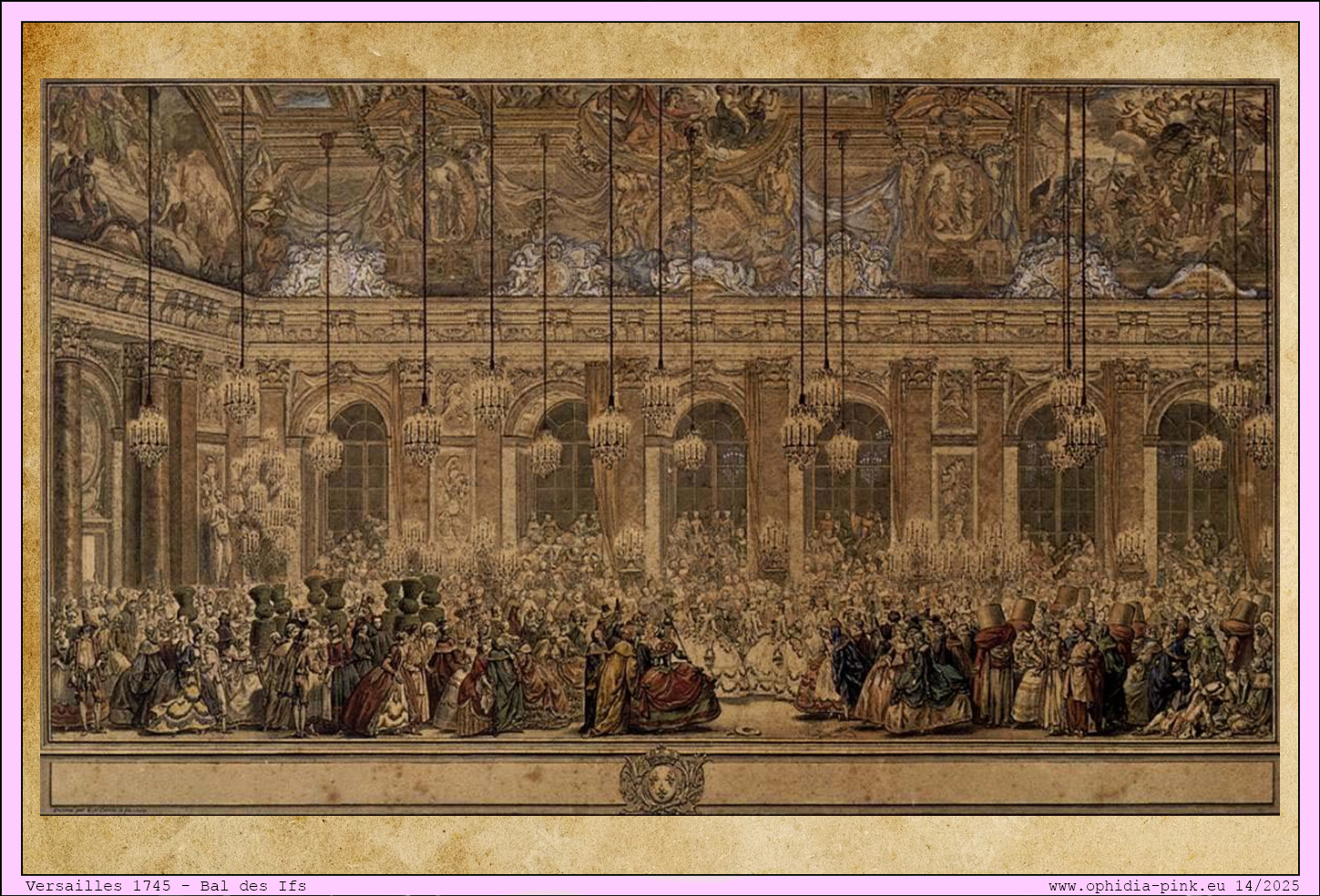
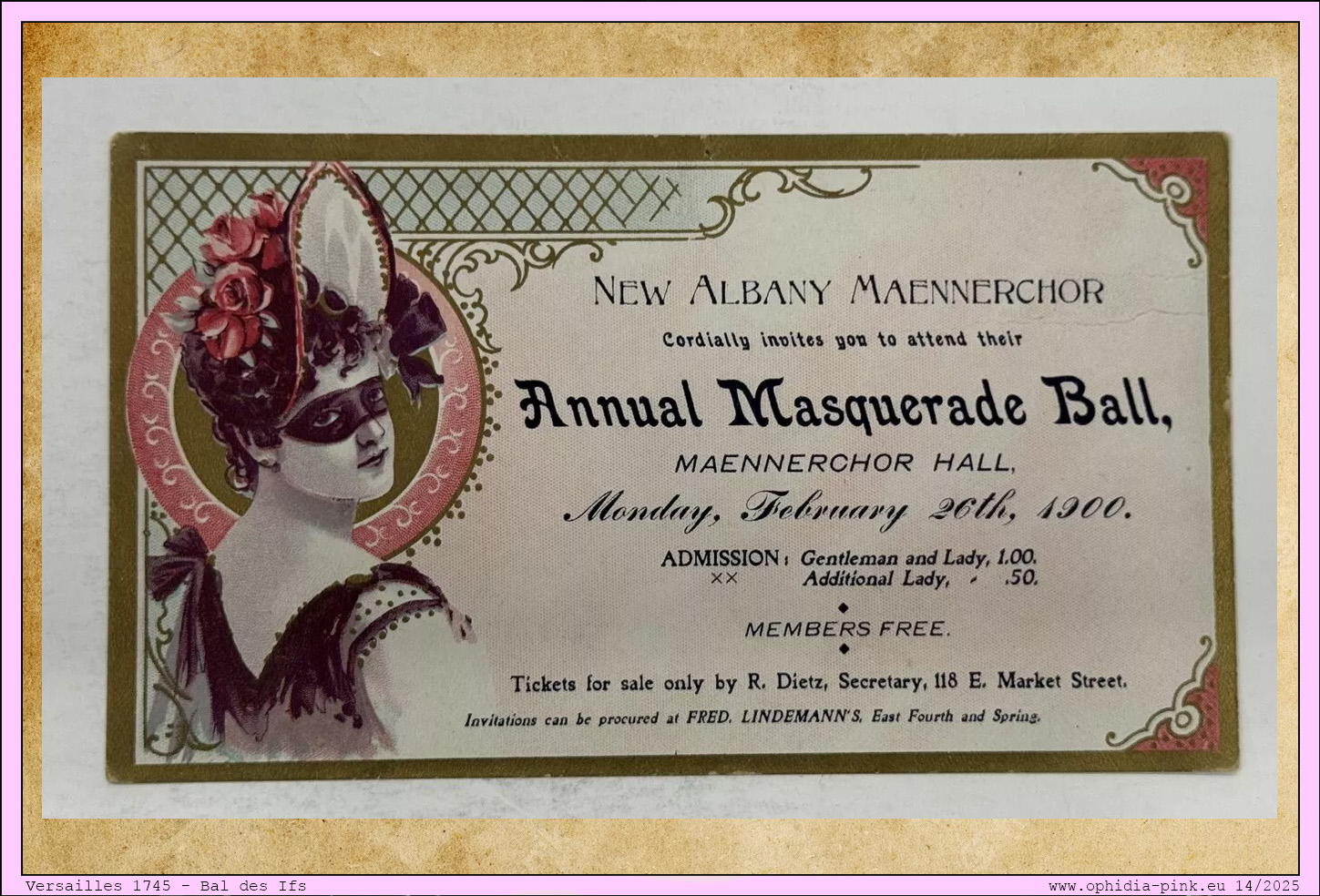
From the Revolution onwards, the bourgeoisie made it their duty to organize parties that followed the great codes of those held at Court, but modified them according to fashion and the times. As a result, there were several types of 'balls', these parties where one could dance to music and meet other people in a festive setting that allowed one to escape the constraints of the very rigid social conventions of the time. The ball was often masked. It was then sufficient to wear a mask over the face. During the first two-thirds of the 19th century, these were simple masks made of papier-mâché or silk, providing little anonymity. But later, they became more covering, more sophisticated, some even featuring quite complex mechanisms for modifying the voice, in order to further reinforce the anonymous nature of the disguise.
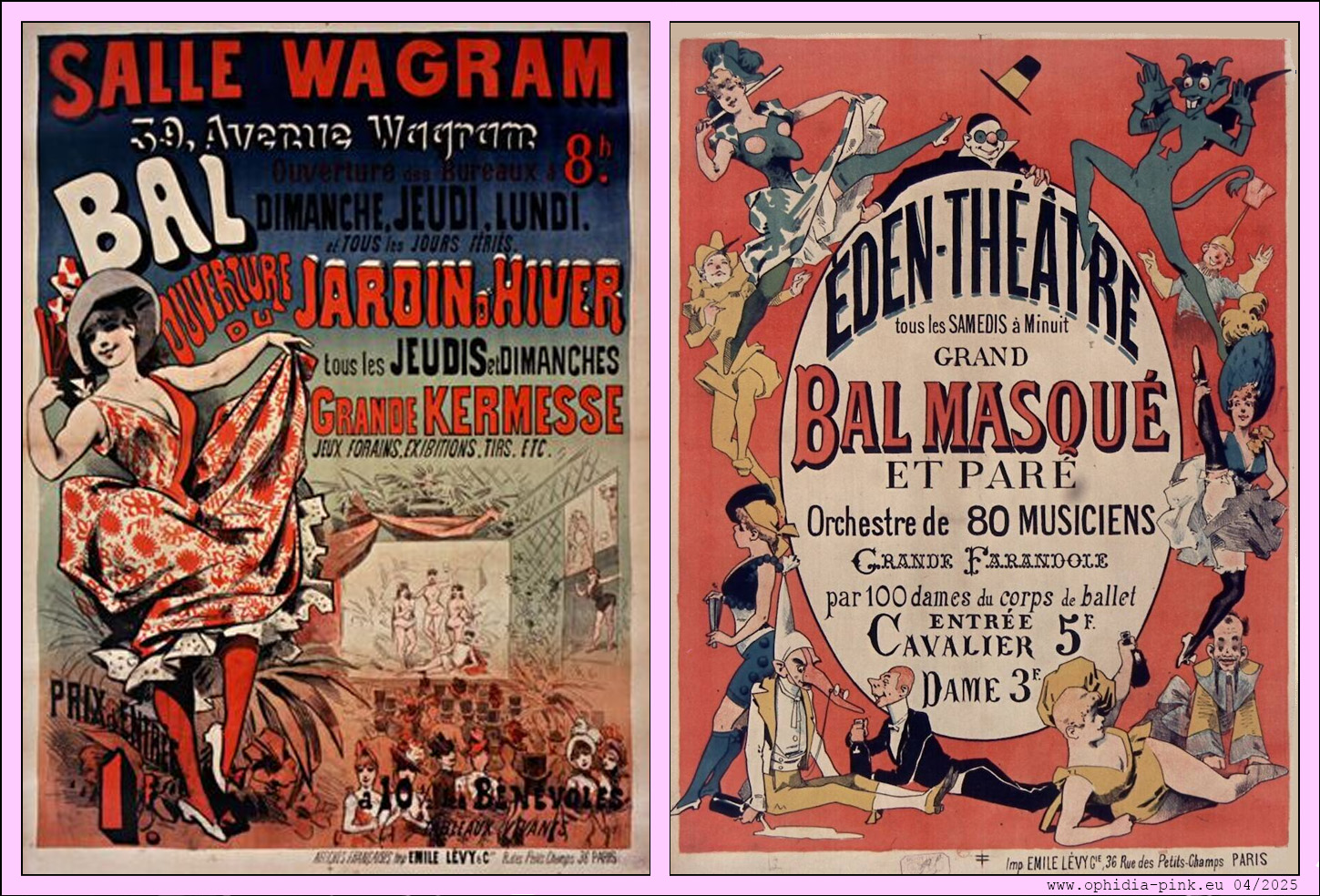
The concept of the 'Masked Ball' was quickly adopted in places much more popular than the salons of the upper middle classes of the time. These public balls were quickly divided into two main families, the 'Popular Masked Ball' and the 'Pared and Masked Ball'. In the latter, men must wear evening dress and women must be as elegant as possible ('pared' meaning 'having taken care of their appearance'). The masked appearance is generally not obligatory, some playing the game and others not, but those who do not wear a mask have the advantage of having other assets such as fame, wealth or beauty if they do not want to be simply ignored. On the other hand, the 'Pared' aspect is of course obligatory since it actually serves the social sorting of participants.
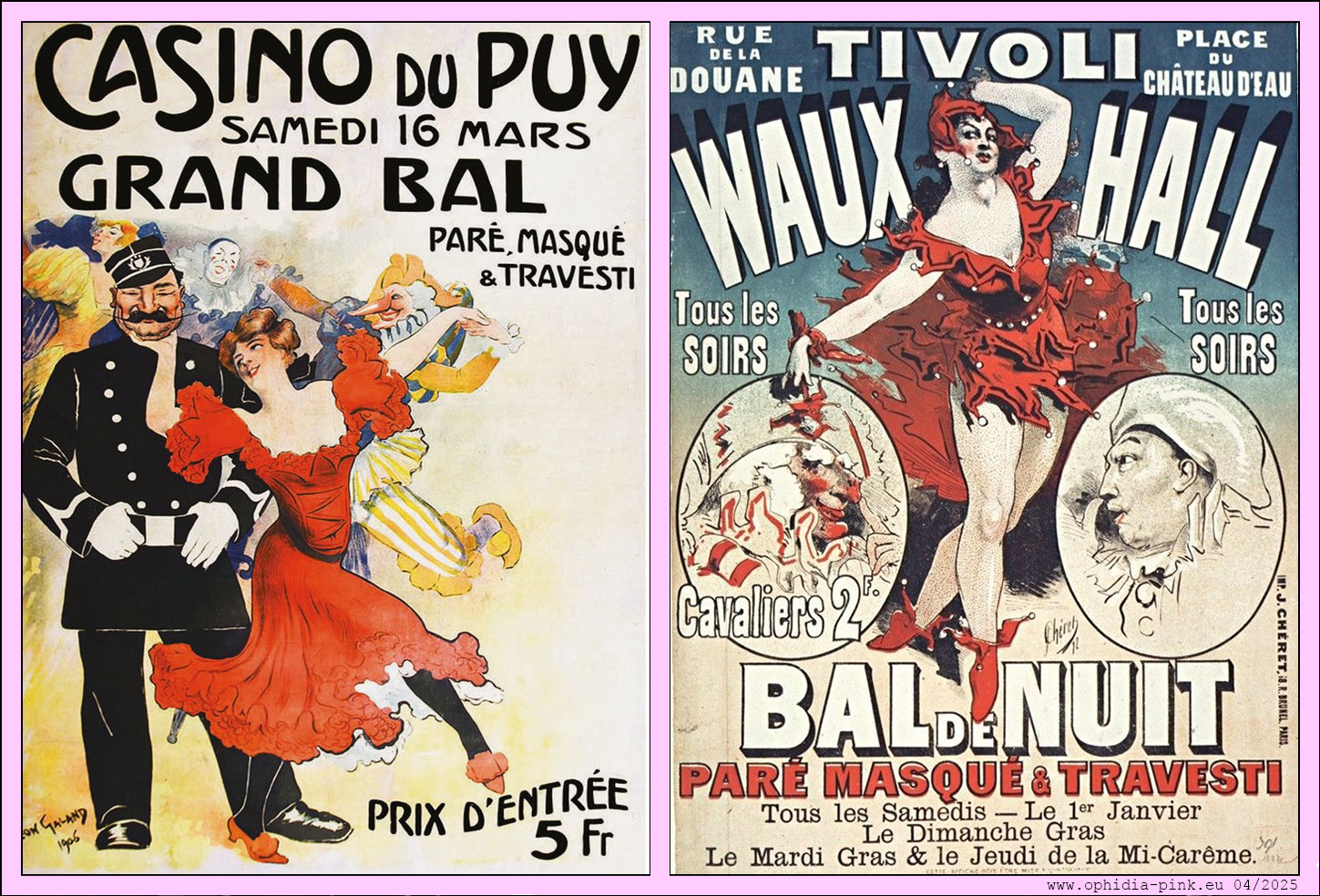
Another criterion will quickly make its appearance, the 'Transvestite' ball. In the language of the time, 'Transvestite' simply means 'Costume'. But of course, from the moment one can dress up, it is accepted that one can dress in the clothes of the other sex since one is in the domain of 'disguise'. Let us recall on this subject that several ordinances then prohibited women from wearing men's clothes without special authorization, outside the time of Carnival (In France, no law before 19335 penalized a man dressed in a dress). The transvestite balls, referring to the Carnival in the form of a party on private land, therefore included cross-dressing in the more modern sense of wearing clothes reserved for the other sex, whether women in men's clothes or vice versa. As with the Masked Ball, the Travesti Ball could be just Travesti, Travesti and Masked, Dressed Up and Travesti (which meant much better quality costumes) and often both Dressed Up, Masked and Travesti.
The days leading up to the ball are taken up with the search for a costume. For the well-to-do, it is customary to have their own costumes made, either from a model by presenting engravings to the couturier, or by direct proposal from the couturiers themselves. It is also possible to buy costumes at sales organized by certain theaters. They are much less expensive, but less original (many Pierrots). The use of the theme in the evening appears in the second half of the 19th century. "Ball of the games", "Ball of the sea", "Louis XV Ball"...
The evening of the ball itself, one had to wait. This entertainment was, for the time, very late. It didn't begin until 10 p.m., or even midnight. Waiting for the masked ball was a real must. It took the form of wandering among friends, from café to café. It was a sort of festive stroll through the city, more or less intoxicated. At this joyful illumination, a crowd of good people, who until then had never set foot in a masked ball, felt a deep desire to go and take part in a party that revealed itself to them by such dazzling exteriors! Some cafés decided to open at four in the morning to accommodate the revelers leaving the ball. This was the birth of 'afters'.
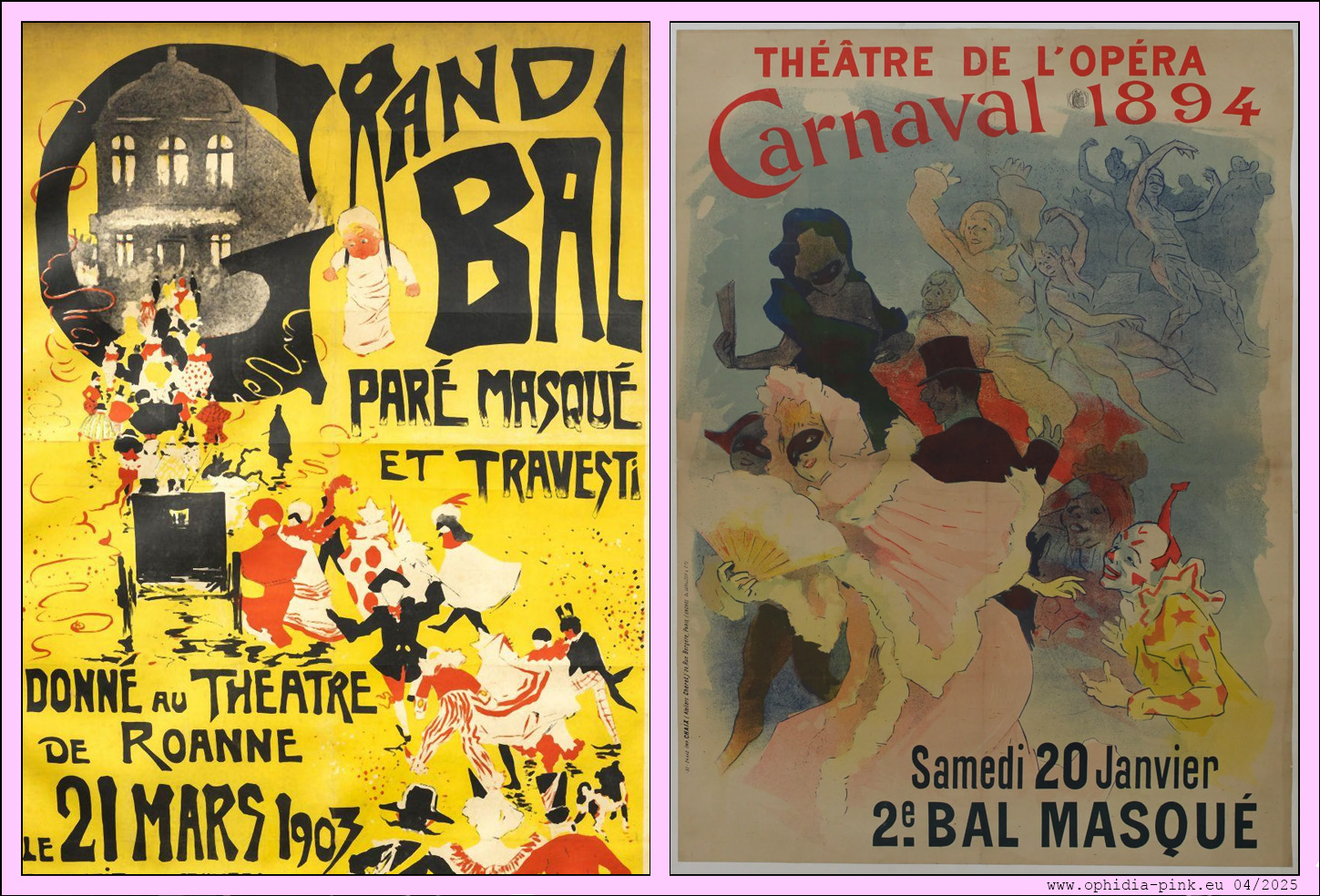
During the second half of the 19th century, many theaters jumped on the bandwagon and decided to organize masked and transvestite balls. This was the case in Paris with the Opéra Comique ball, which took this right for itself, and the Théâtre du Châtelet, which also organized them. The public spaces for these masked nights multiplied with the opening of café-theaters, cabarets, the Moulin Rouge, etc. The ball long attracted considerable crowds, between 2,000 and 4,000 people, sometimes up to 7,000 at the turn of the century.
So of course people let loose, which is not to everyone's taste. This is evidenced by this written trace of a police report on the occasion of one of the Opera balls: "It is regrettable that the surveillance commission established at the Royal Academy of Music did not oppose this ball and that this establishment was the scene of obscene dances of the deepest immorality without the perpetrators being able to be arrested due to the crowds that crowded the opera house."
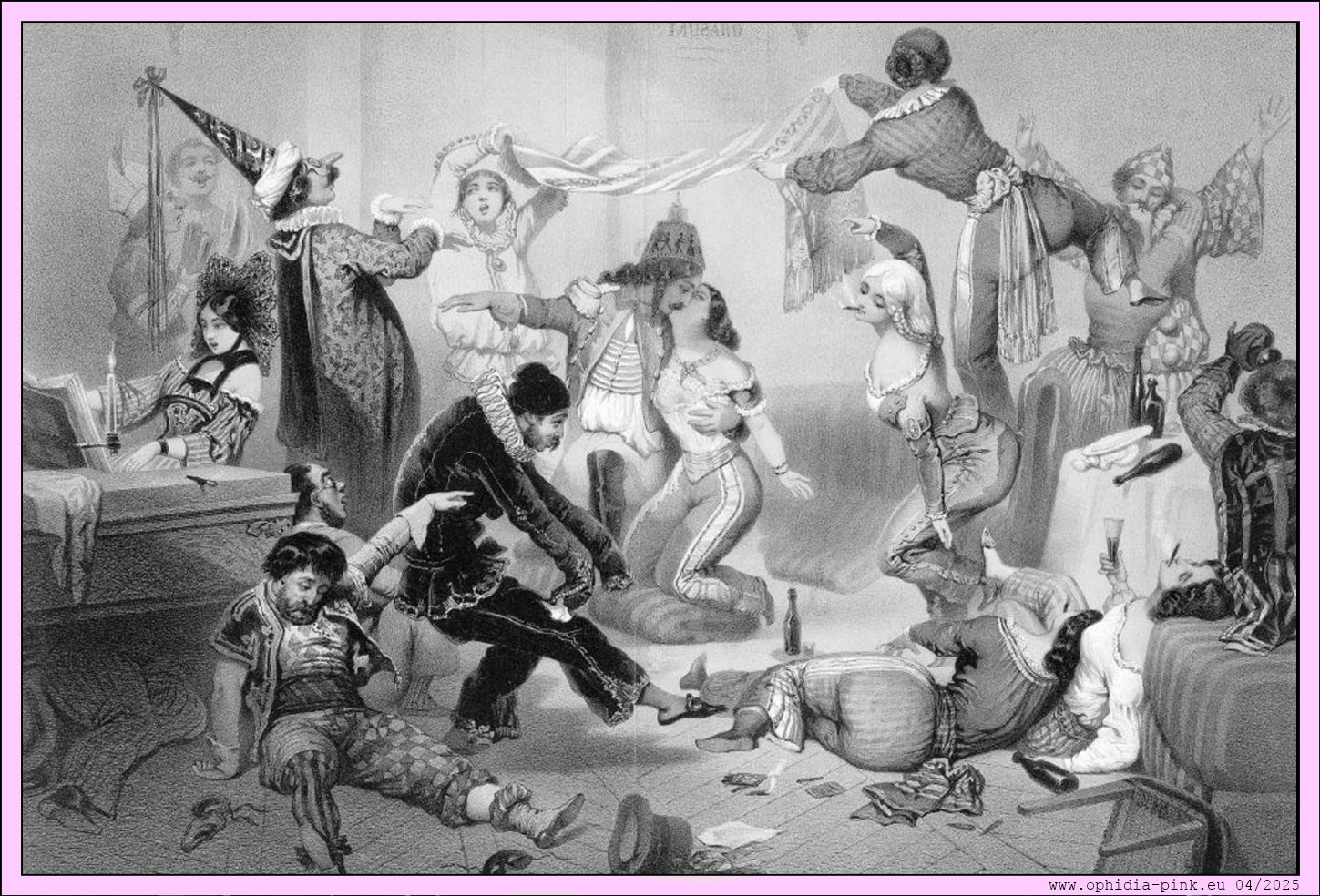
The night of celebration is the privileged time for seduction outside of marital conventions, and sometimes outside of heterosexual norms. Anonymity is a pretext for daring new things. All columnists and testimonies agree: masked ball costumes are more advantageous for lovers than for married couples, for mistresses than for wives. The sensational invites itself into these masked balls because the costume is inseparable from the unveiling of women's bodies. It is, in a certain way, the most tolerated way to undress. Decade after decade, 'disguises' become more and more daring. It was at these parties that the first 'flesh'-colored swimsuits appeared publicly, giving observers the sensation that the woman is naked without actually being so.
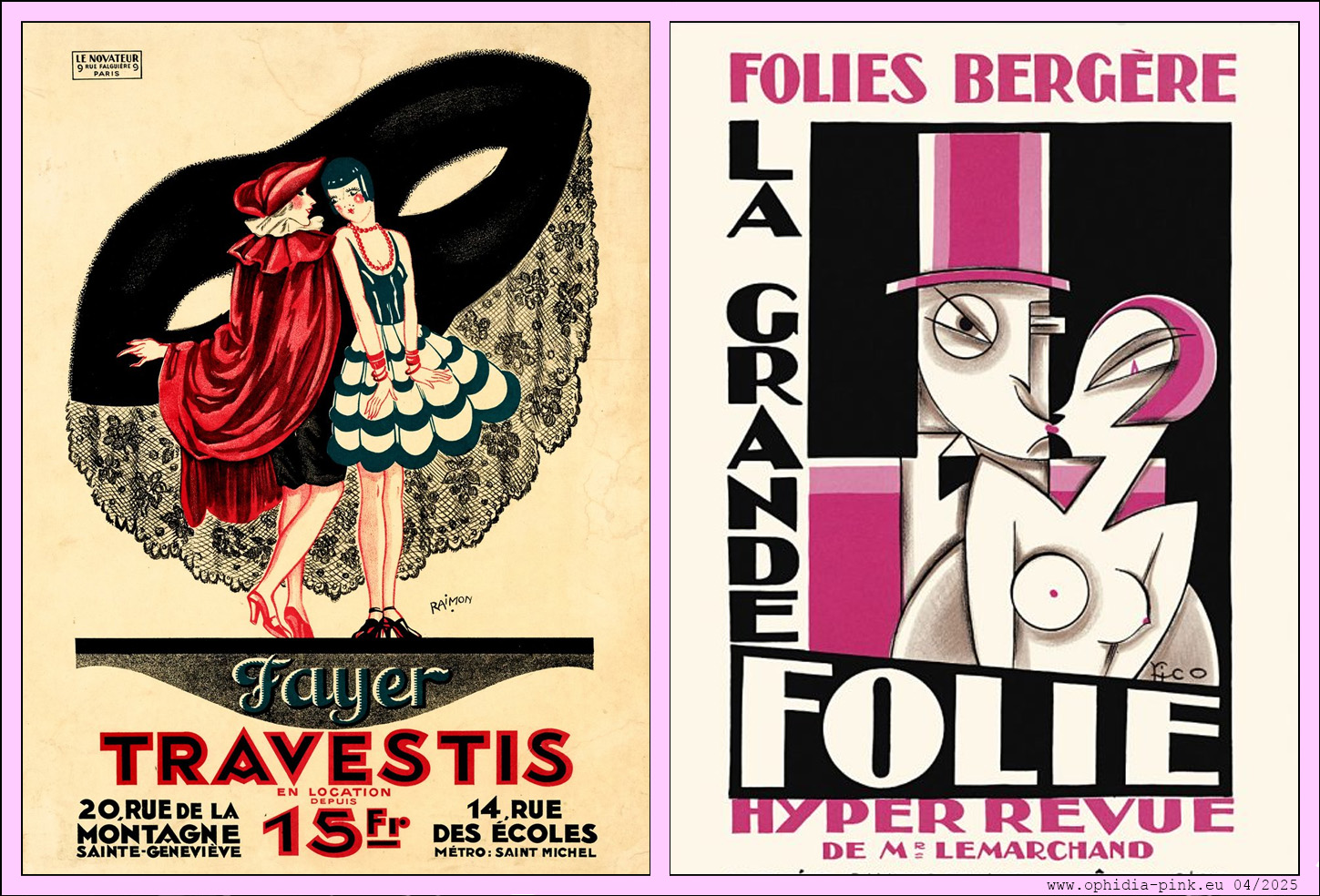
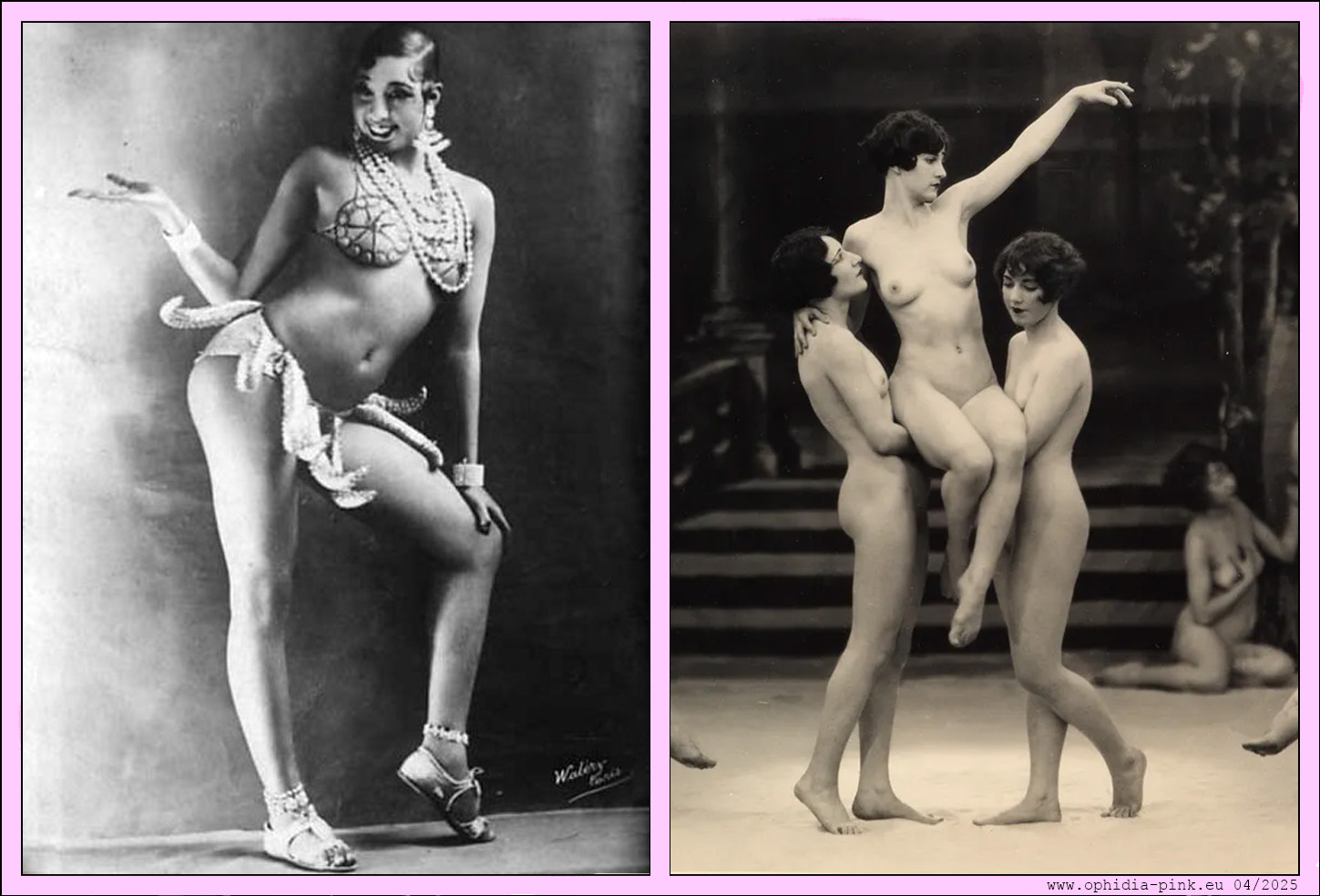
These evenings will be increasingly staged, with the appearance of "tableaux vivants". The organizers will stop at nothing to attract the public. We also note with the arrival of the 20th century that we are daring more and more. The 20s are not for nothing called "roaring" years by chance, everything, absolutely everything, becomes permitted during these types of evenings. Often described as a hedonistic reaction to the horrors of the First World War, the Roaring Twenties shatter all taboos. It is no longer a question of pretending to be naked with a swimsuit or flesh-colored tights, if we want to give the impression that we are naked, we are content to appear naked for real!
Morals would experience a serious tightening in the 1930s. The economic crisis of 1929, caused by the Wall Street crash that became the famous "Black Thursday," would put an end to this carefree period. The party was over! Thus, the ordinance of May 31, 1933 stipulated that those organizing balls, dances, concerts, banquets, and public festivals could not host cross-dressed people. The ban could only be lifted with the agreement of the police headquarters. Moreover, this ordinance specified for the first time that it applied to both women and men. Until then, all laws repressing cross-dressing clearly specified that it was a ban on a woman dressing as a man. There was then total indifference from the authorities when it came to cross-dressing men. Article 259 of the Penal Code (1810) did not even allow prosecution for this! After the Second World War, things were completely reversed and it was the cross-dressing of men, in a climate of homophobia and unofficial regulation of male prostitution, which mainly attracted the attention of the authorities.
