 |
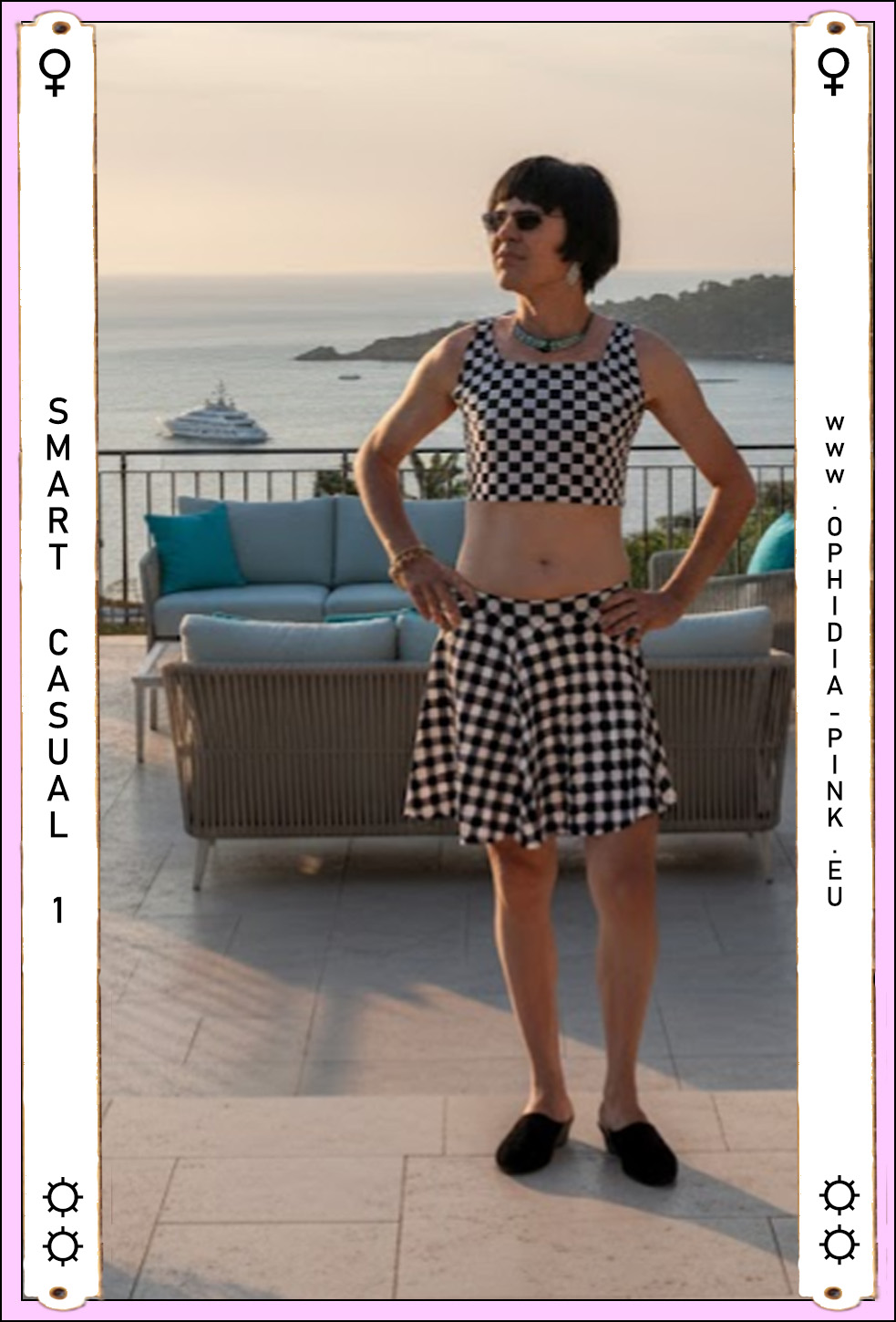
- SMART CASUAL STYLE - Hot Season The origins of this style are difficult to trace. While some claim it dates back to the 1980s, others trace its origins to the United States in the 1920s. In any case, it's a relatively recent movement in fashion. It emerged from the workplace, where the business dress code gradually relaxed in favor of a more casual look. It then spread to everyday life. It's important to remember that in the last century, our grandparents dressed carefully not only for work but also for everyday life, particularly Sunday outings. The smart casual style, dressed up but relaxed, is the result of this evolution. It reflects the desire to avoid a formal look every day, without sacrificing style, in order to gain comfort. Neat, clean, and well-tailored attire, but without the rigidity of a full suit. The idea is to look serious without appearing stuffy. The fabrics are crisp (no shiny polyester, no overly technical "I'm going trekking" type materials), the colors are coordinated (navy, beige, gray, burgundy, dark green, off-white), and above all, no more than one bright color. The cuts are modern. No overly sporty clothing, nor full formal attire. The jeans are a deep, dark blue, never faded. Simple leather shoes—loafers, derbies, desert boots, or sleek, pristine sneakers. Worn-out shoes are a no-go. The smart casual style sees everything, judges everything. Smart Casual isn't just a suit without a tie, and it's not about the price of the garment. A pair of Gucci ripped jeans might be worth €1,000, but ripped jeans are clearly not "Smart Casual"! |
