- PINK SLUT 1 -
Hot Season
For women, pink is a classic… almost a cliché. Western fashion has repurposed it as a symbol of gentleness and romance, and then of power when feminism embraced it, transforming it into a confident and iconic color. Pastel pink, the 'Barbie' style, for example, was caricatured before becoming a symbol of strength. We also see powdery pink tones in luxury, fuchsia in streetwear, and pastel shades in anything that aims for an ethereal look. It changes from season to season, but the idea remains: pink signifies a strong, assertive style, even when society claims it evokes fragility.
For men, it's the opposite story. For a long time, pink was considered masculine in Europe (in the 18th century, it was common among aristocratic men, associated with opulence and expensive dyes). Then, in the 20th century, it fell into the "not masculine enough" category because people decided that a pigment had a gender. Since the 2000s, and especially the 2010s, it has made a comeback without any major controversy: pink shirts in business casual wear, pale pink hoodies very popular in contemporary menswear, and even saturated pink in luxury and sportswear. The prevailing narrative is that wearing pink projects a certain confidence, like, "I don't let a color dictate my masculinity."
The idea that pink belongs to a gender is truly a recent Western cultural product. Elsewhere in the world, pink is a color among others, with varied symbolism, but rarely an ideological battleground.
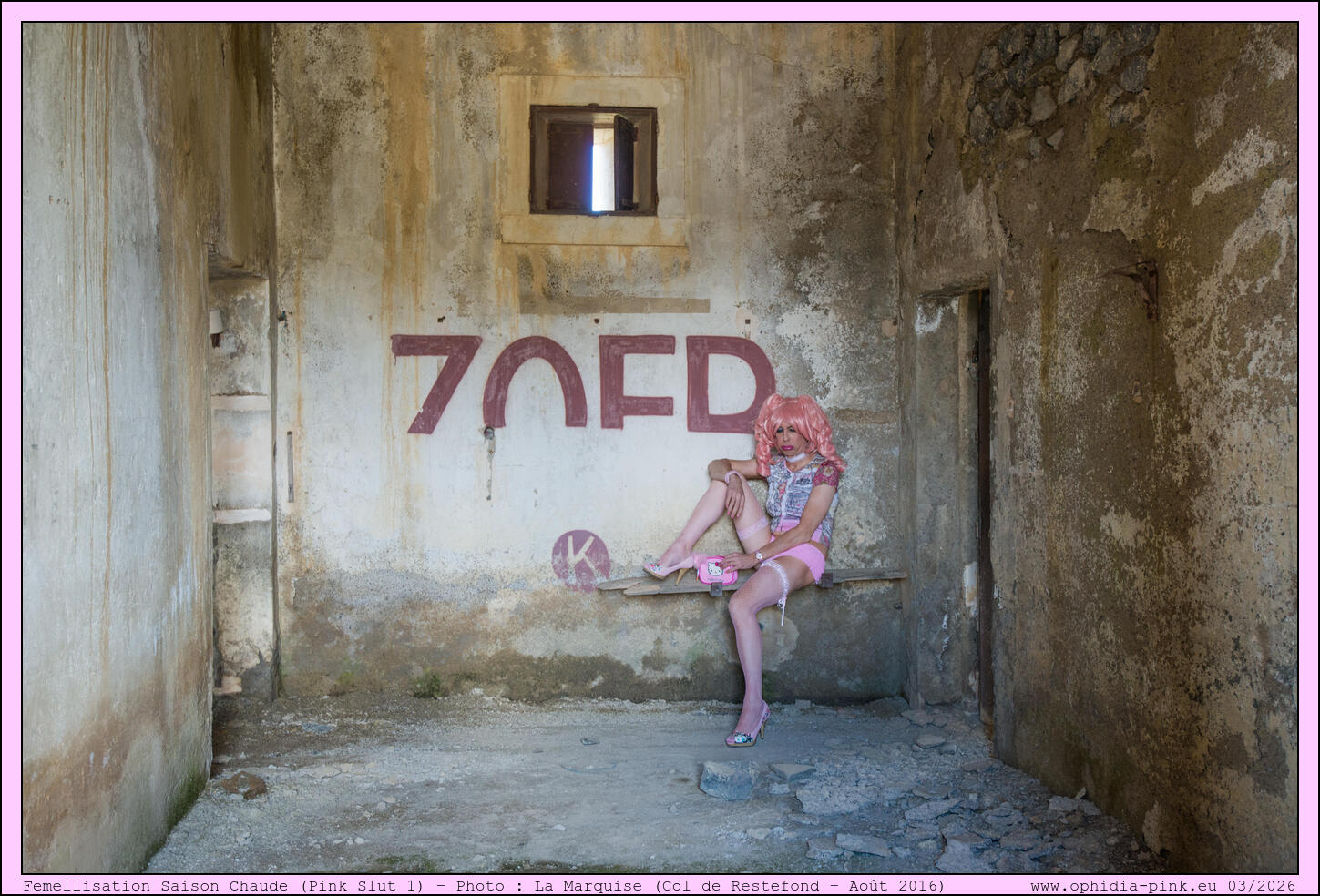
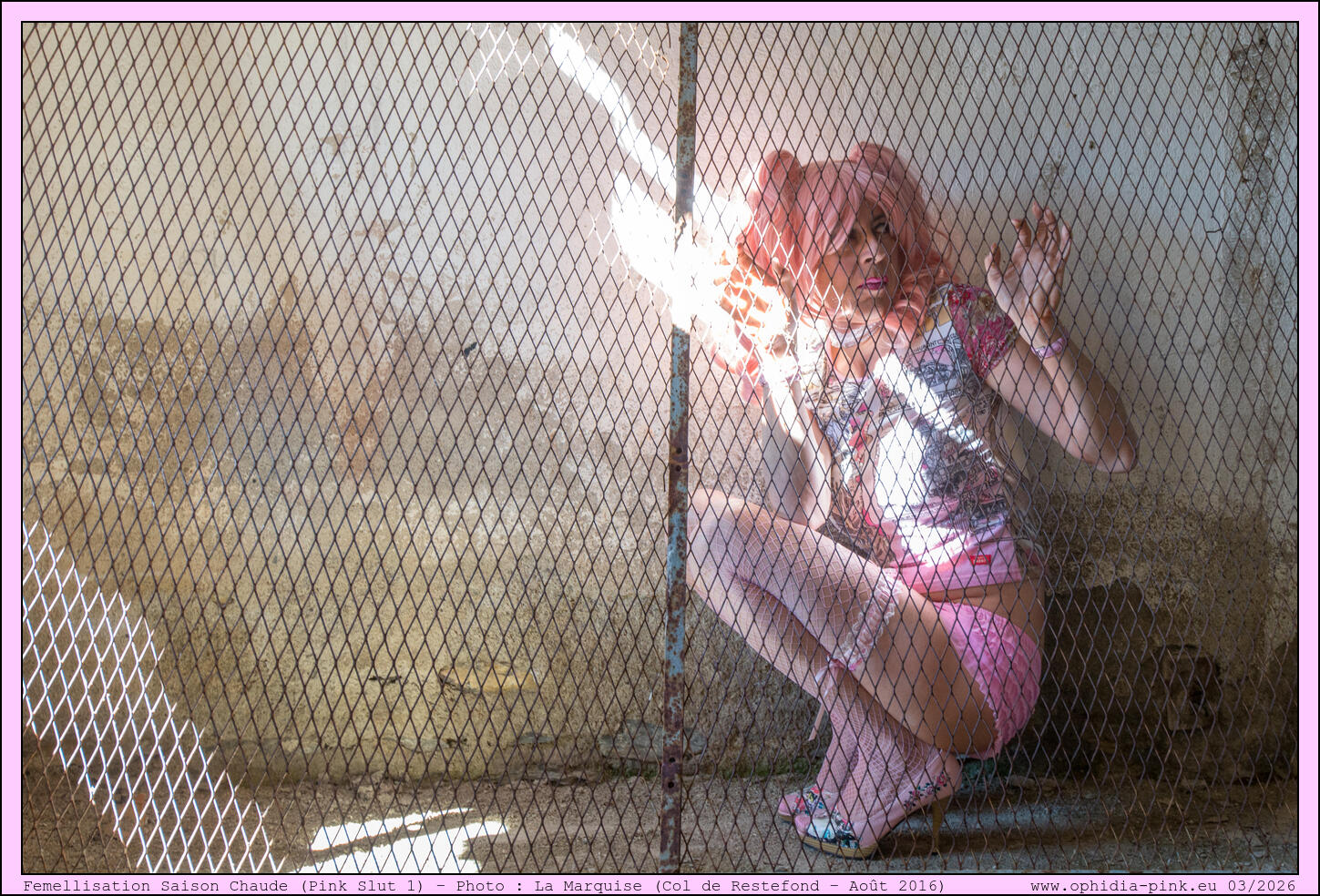
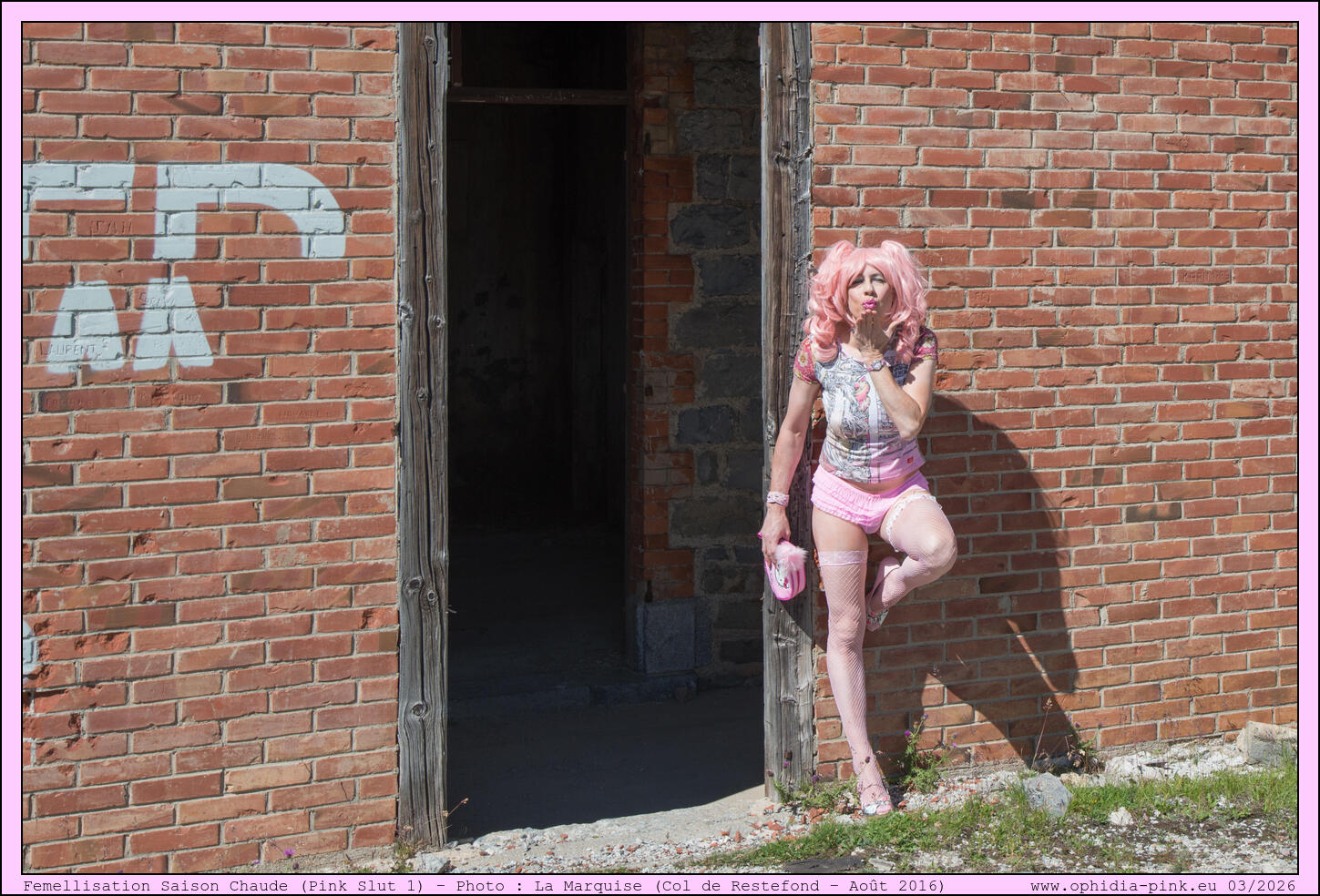
This shooting took place in the old Restefond Fort, near the pass of the same name. Construction of the fort began in 1901 and was completed in 1906. The fort is composed of four buildings, three rectangular in shape, each capable of housing a company, arranged in a U around a central courtyard, the fourth side of which is closed by a curtain wall, and a small square building, located near the entrance, which constitutes the guardhouse of the fort.
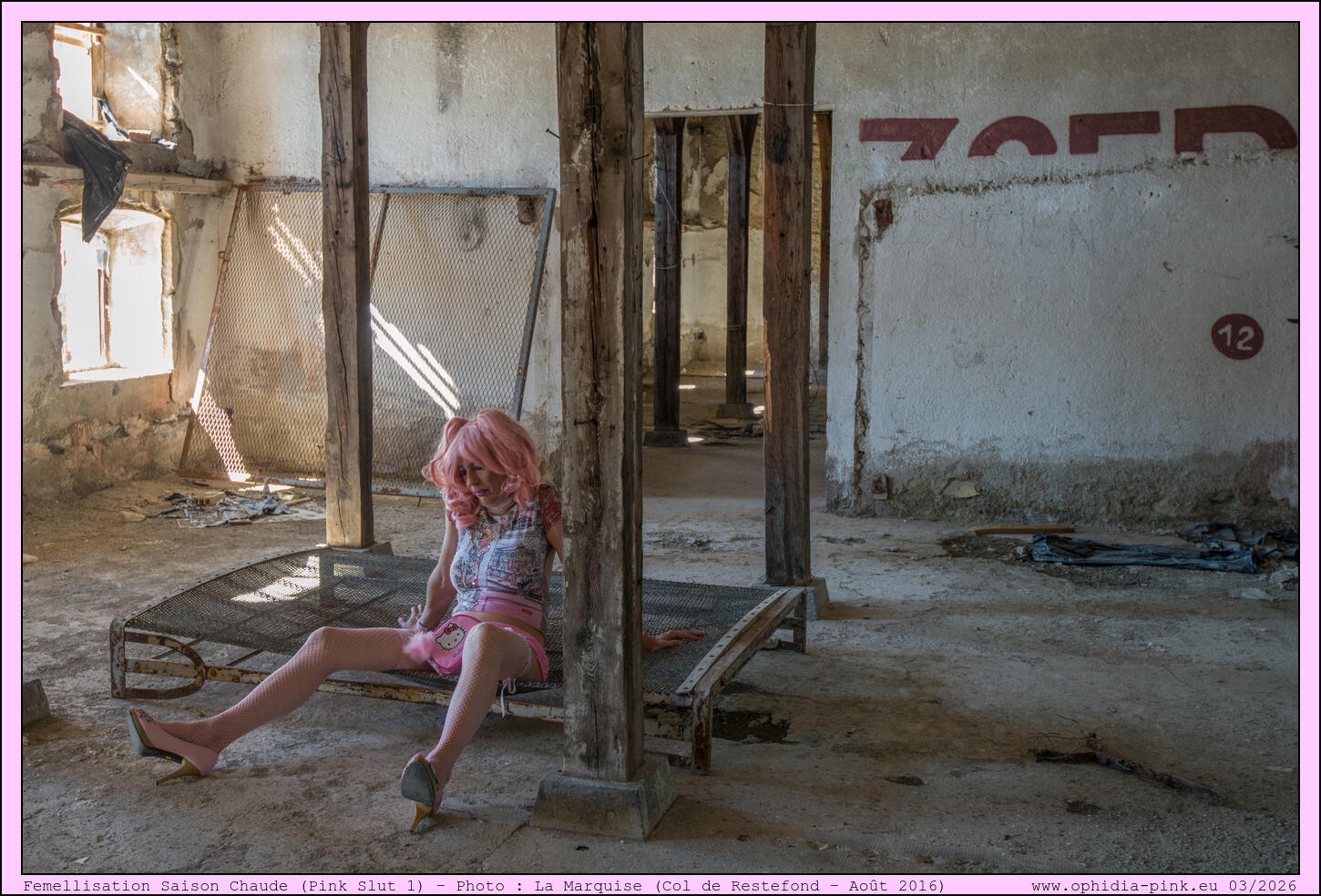
The 1940 armistice led to the evacuation of the area, which was only periodically reactivated during the winter of 1944-45, during the liberation battles, and then, after 1945, as a bivouac area for units conducting summer maneuvers. In 1976, the barracks were used as a temporary post by the mountain gendarmerie and then abandoned. To this day, the buildings are left derelict, neither monitored nor maintained, and are deteriorating due to both vandalism and weathering.
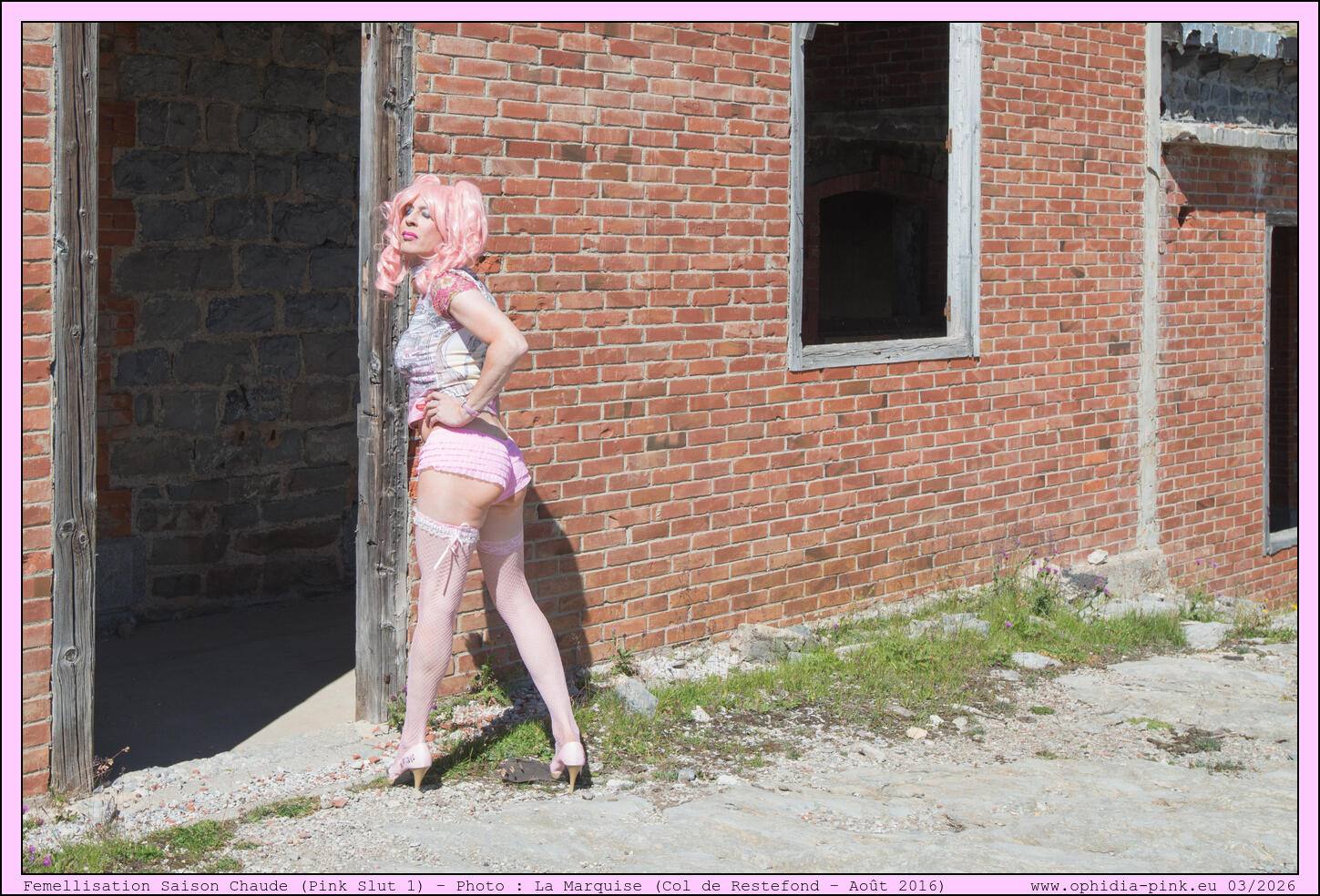
Sleeping arrangements consisted of two tiers of wooden camp beds, their frames supported by posts that held the beams, and a flat wooden roof covered with a waterproof membrane. Each tier of sleeping space had a row of small windows overlooking the central courtyard.