The Gin Fizz is a classic cocktail that belongs to the fizz family, a type of carbonated drink combining alcohol, lemon or lime juice, sugar, and sparkling water. It's refreshing, light, and sparkling, balancing acidity, sweetness, and the aromatic notes of gin. It is one of the official cocktails of the IBA (International Bartenders Association).
As an aperitif, it's perfect for whetting the appetite thanks to its acidity and freshness. It can be enjoyed during the day in summer as it's very thirst-quenching, like a lemonade for adults.
It should be drunk immediately after preparation, as sparkling water quickly loses its bubbles.
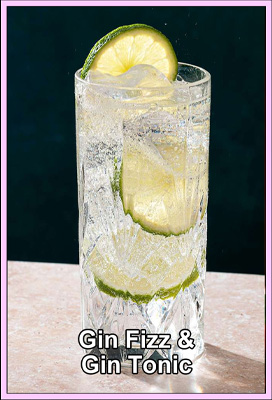 |
Classic recipeMix 4.5 cl of London Dry Gin, 3 cl of lemon juice, and 1 cl of cane sugar syrup in a shaker with ice. Pour through a strainer into a highball glass and add 8 cl of sparkling water. VariationsTom Collins: What differentiates a Tom Collins from a Gin Fizz is that the Tom Collins is prepared directly in a glass with ice and is more diluted (10-12 cl of sparkling water). The term Collins refers to a category of cocktails in the long drink family, which are prepared directly in the glass. Gin Tonic: The Gin and Tonic is a simple mixture of Gin (4 cl) and a tonic like Schweppes (8 cl) prepared directly in the glass, and definitely not in a shaker! |
The concept of the fizz appeared in Jerry Thomas's 1887 book "Bartender's Guide." The word fizz already referred to a sparkling mixture made by adding soda water. The Gin Fizz used gin (often Old Tom at the time), fresh lemon juice, sugar, and soda water as its base. It quickly became popular in the United States, especially in New Orleans, where fizzes were served in large quantities first thing in the morning in some bars.
In the 1910s and 1920s, the Gin Fizz became one of the iconic cocktails of American bars, alongside the Martini and the Tom Collins. Its most famous version in New Orleans is the Ramos Gin Fizz (invented in 1888 by Henry C. Ramos), creamier thanks to the addition of cream and egg whites, and requiring a long shake.
In the 1950s and 1960s, the Gin Fizz remained a classic bar drink, but with the arrival of sugary sodas, it lost some of its popularity to simpler cocktails. In the 2000s, with the return of craft mixology, the Gin Fizz regained its popularity, often prepared with artisanal gins and fresh citrus fruits.
