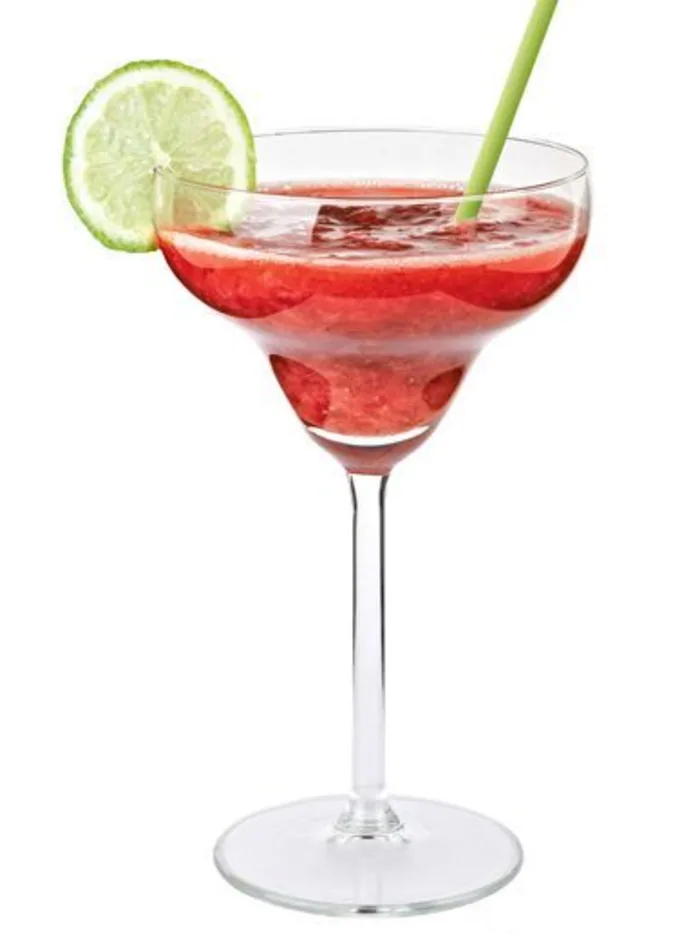
A cocktail is a drink made by mixing an alcoholic beverage with other ingredients, which may include one or more other alcoholic beverages, fruit juices, syrups, soda or sparkling water, coffee, hot water, eggs, or cream. Cocktails are prepared individually with ice in a shaker, mixing glass, or directly in a cocktail glass then served. Each cocktail recipe usually has a memorable name. Some are well-known and are created by bartenders around the world.
The idea of mixing alcohol with other ingredients is as old as alcohol itself; traces of these mixtures can be found in ancient Greek texts, for example. The earliest use of the word 'cocktail' to describe them dates back to the very beginning of the 19th century (1803, 1809, or 1813, depending on the source). At the time, since the word referred to a mixture recommended for fighting a hangover, the cocktail was a morning drink! In 1822, a "Kentucky breakfast" consisted of three cocktails and a portion of chewing tobacco!
The oldest bartender's manual addressing the subject of cocktails is Jerry Thomas's, published in 1862. It already contains an attempt to classify the fifty or so recipes it includes into different categories (Sours, Punches, Slings, etc.). A little later, in 1948, David Embury published 'The Fine Art of Mixing Drinks' in which he explains that there are six fundamental cocktails, all others being variations.
| Toasted Almond (View) Coffee Liquor + Liquid Cream |
| Brandy Alexander (View) Cacao cream + Liquid Cream |
Between the Sheets (View) Rum + Triple Sec + Lemon |
French connection (View) Amaretto |
| Side Car (View) Cointreau + Lemon juice |
| Jack Rose (Voir) Grenadine + Lemon |
| Dry Martini (View) White Vermouth + Green Olives |
Duke (View) Cherry + Triple Sec + Campari |
Gin Fizz (View) Lemon + Sugar + Sparkling water |
| Martinez (View) Red Vermouth + Maraschino +Angostura |
Negroni (View) Red Vermouth + Campari |
White Lady (View) Triple Sec + Lemon Juice |
| Atlantis (View) Orange Juice + Triple Sec + Lemon + Raspberry Liqueur |
Between the Sheets (View) Brandy + Triple Sec + Lemon |
Caipirinha (View) Green Lemon + Cane Sugar Syrup |
| Daiquiri (View) Green Lemon + Cane Sugar Syrup (+ Fruit juice) |
El Presidente (View) White Vermouth + Curacao + Grenadine |
| Margarita (View) Triple Sec + Green Lemon |
Tequila Sunrise (View) Orange Juice + Grenadine |
| Americano (View) Campari + Sparkling Water |
Bronx (View) Gin + Orange Juice |
| Balalaïka (View) Triple Sec + Lemon |
Bloody Mary (View) Tomatie Juice + Lemon + Spices |
Blue Lagoon (View) Blue Curaçao + Lemon |
| Cosmopolitan (View) Triple Sec + Lemon + Cranberry or Raspberry |
Expresso Martini (View) Coffee Liquor + Expresso |
White Russian (View) Coffee Liquor + Liquid Cream |
| Boulevardier (View) Red Martini + Campari |
Manhattan (View) Red Martini + Angostura |
Note: To make a cocktail, you need... the right ingredients! No worries with the base alcohols, but for the rest it quickly becomes complicated (fruit juice that goes off, cream...). The cocktails I present to you here are cocktails that I make regularly. They are sometimes different from the "normal" version to fit with what I have in my bar. In this case, you will always have both the "canon" version and mine...
Tonic water is a drink containing carbonated water (Soda water) with added quinine, which gives it a slightly bitter taste. Its origins date back to the early 19th century with a decoction called "bitter tonic", the result of macerating cinchona bark in water. It was used as a treatment for malaria, as a digestive and depurative, but the taste was so bitter that sugar (honey or cane sugar), and sometimes rum, was added. From the 1850s-1860s, replacing water with carbonated water (Soda), reputed to be good for digestion, became popular and many brands developed, such as Schweppes, the oldest with its Indian Tonic. Tonic is often used to dilute an alcohol (Gin, Vodka, Rum and Tonic, etc.), which is done directly in the glass. Note that modern commercial tonics do not contain enough quinine to treat or prevent the symptoms of malaria.
The term 'Fizz' is associated with cocktails that combine the fizz of sparkling water with an acidic element like lemon juice. This type of cocktail is usually prepared in a shaker without the sparkling water, which is added at the end (putting it in the shaker would make it lose its bubbles).
Martini glass, tumbler, or hurricane glass? As a bartender, you need to know the different types of cocktail glasses! In the right cocktail glass, the cocktail not only unfolds its flavor, but is also better presented visually - because the eye is known to drink at the same time.
In my opinion, these are the first to buy! The Martini glass has a pointed base and a long stem, which prevents the cocktail from warming up when touched. This keeps the drink always tasting fresh. The Martini glass has a filling volume of approximately 250 ml. Due to its small capacity, this glass is particularly suitable for strong cocktails.
An elegant glass like a Martini glass doesn't need unnecessary frills: with a sweet or salty frosted rim or an olive on a toothpick, you emphasize the glass's elegance.

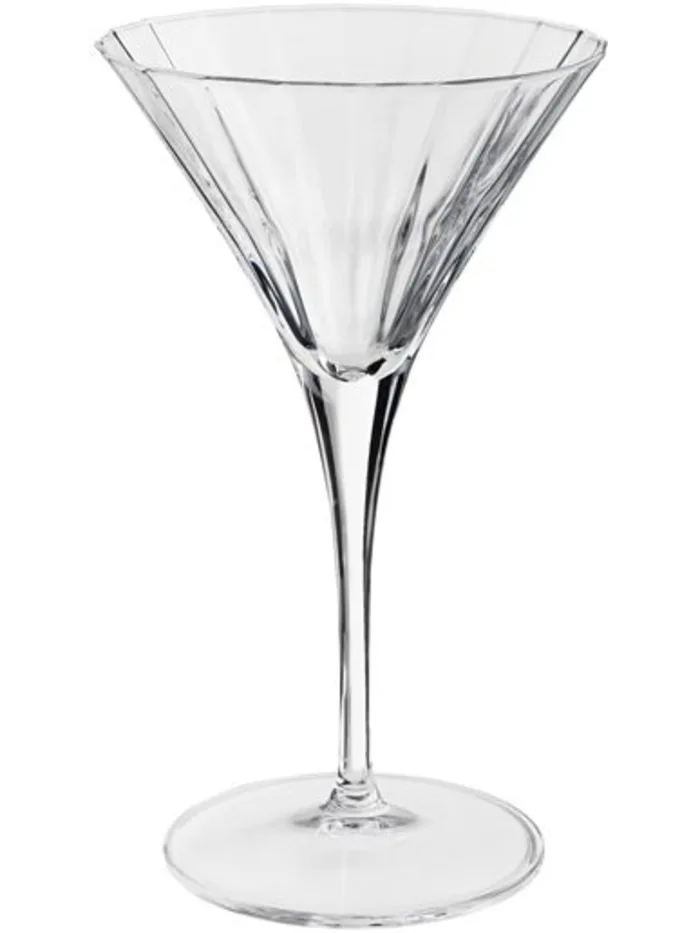
Beware the misleading name! While the Martini glass does indeed come from the Italian company (it's made for white vermouth), some Martinis are not served in a Martini glass, such as the Martini Rosso, served in a smaller, stemless glass, or the Martini ROYALE, served in a red wine glass. Conversely, many non-Martini cocktails are served in Martini glasses!
In my opinion, these are the second best to buy (but we often have them because they're the basic glass for lemonades and other fruit juices)! The name comes from so-called "Highball" cocktails, namely drinks made with spirits and carbonated beverages like sparkling water or ginger ale. But they're also used for "Long Drinks," cocktails made with spirits and fruit or vegetable juices.
The Highball or Longdrink glass is available in various sizes and shapes, but generally holds around 250 to 500 ml. A long straw, plenty of ice cubes, or crushed ice are a must-have for any Highball!

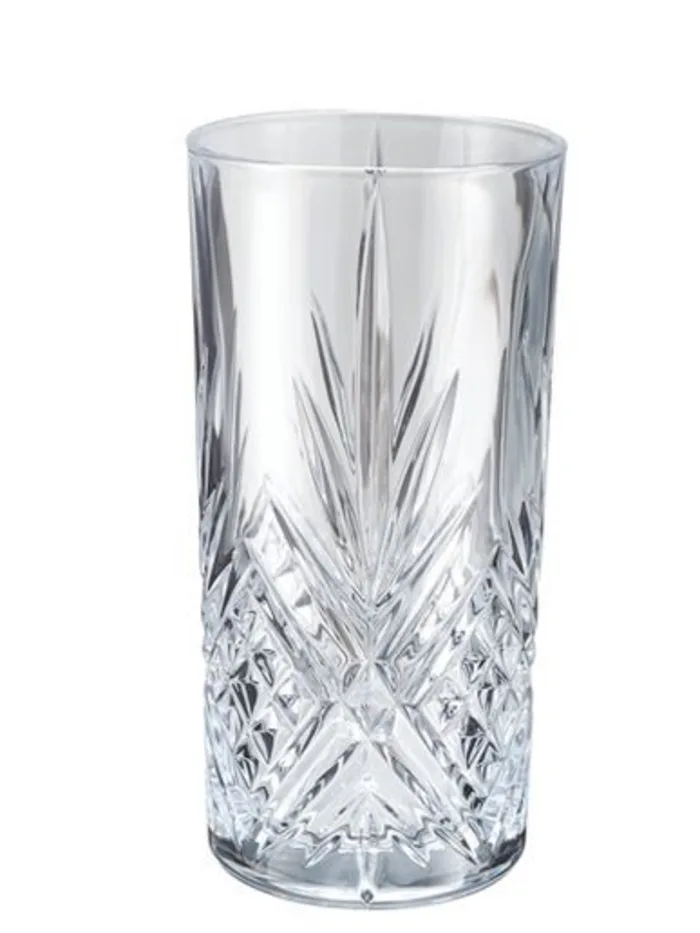
This glass is called the "Old Fashioned" in reference to one of the oldest cocktails in the world, composed of bourbon whiskey, sugar, sparkling water, and Angostura bitters. Its structure is low, it is wide, and it fits perfectly in the hand. For a long time, it was the classic whiskey glass.

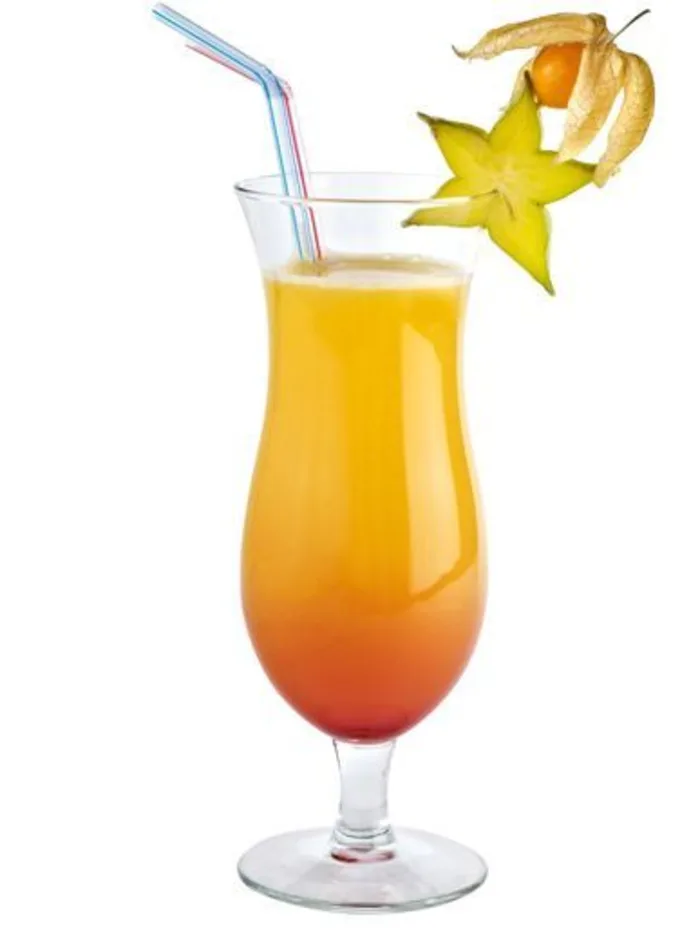
The Hurricane glass evokes summer, tropical heat, palm trees, and a light summer breeze. With its curved shape, this container is perfect for frothy or garnished cocktails. It's perfect for Piña Coladas or Sex on the Beach cocktails.
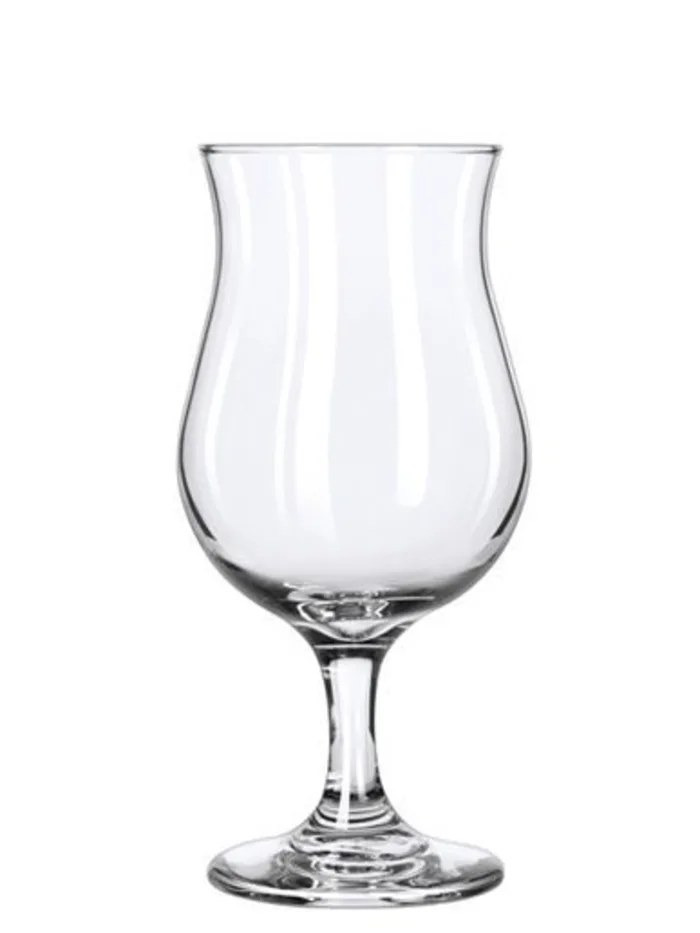
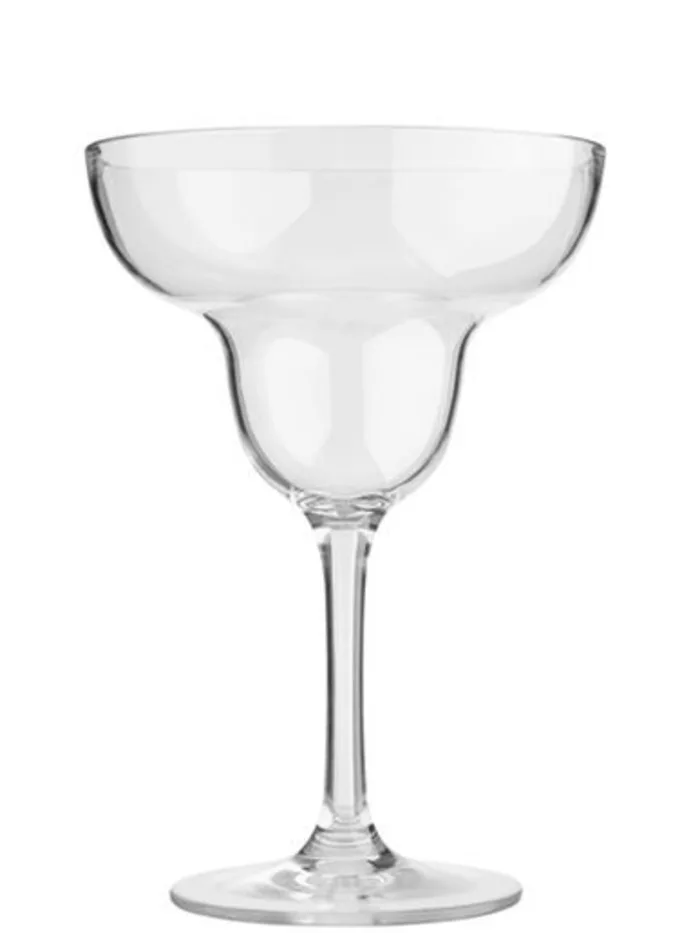
Like the Martini, the Margarita is named after a glass. The Margarita glass is very similar to a cocktail or champagne glass, but it has a curved shape. Like the Martini glass, it can hold about 250 ml. Cocktails in the Margarita glass are usually served without ice (however, you should always mix the cocktail with ice in the cocktail shaker).